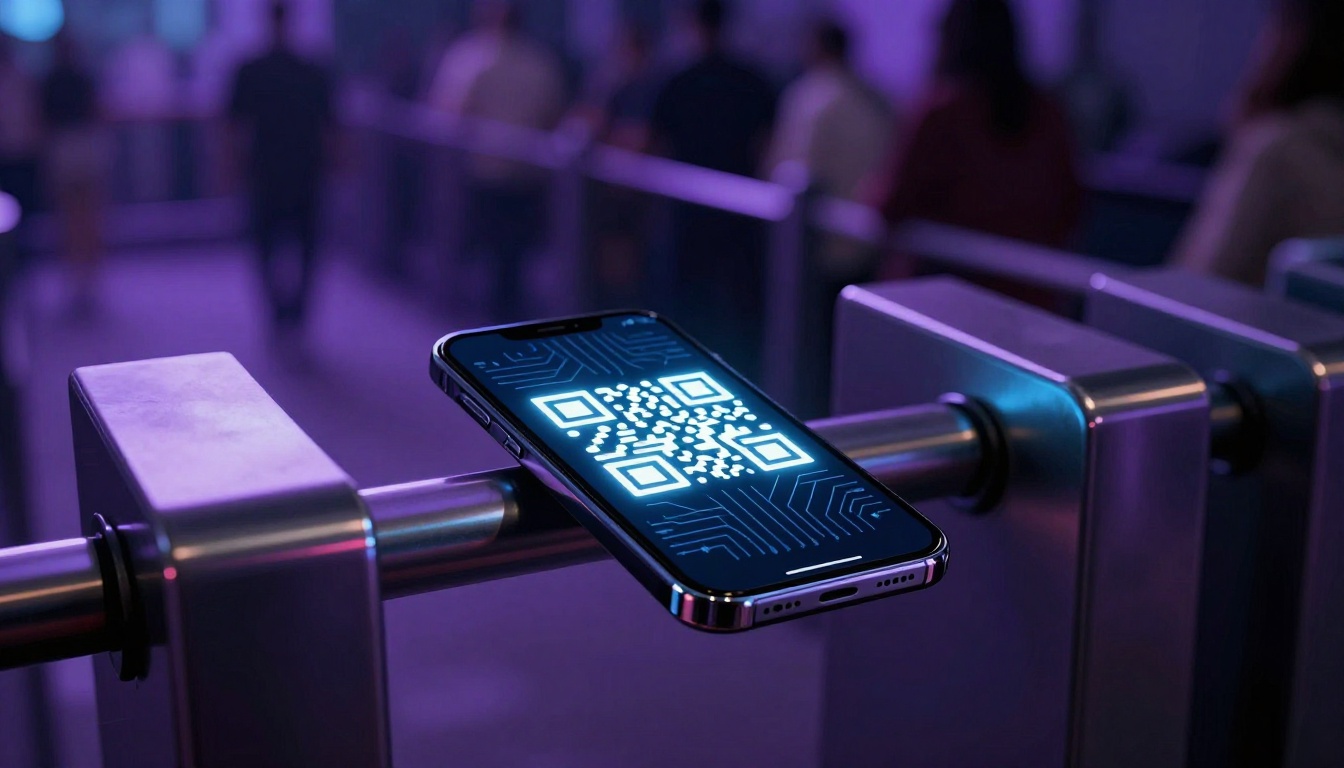
A fan shows up excited. They scan their ticket, and the gate says no. In minutes, they realize it’s a fake. That’s the kind of ticket fraud prevention failure you never want.
In the US, fake-ticket scams cost fans over $100 million each year, and nearly 5 million people buy fake tickets annually. Organizers now fight back with ticket fraud prevention methods that work at the moment of purchase and at the moment of entry.
The best results come from layers. Digital tickets reduce simple copying. AI blocks suspicious buying and bot behavior. Smart rules limit resale abuse and stop scalpers from running the same play again.
Next, you’ll see the practical tools organizers use in 2026, including QR and tap entry tech, blockchain-based ownership ideas, AI risk scoring, and the operational rules that keep your event fair.
Digital Ticketing Tricks That Make Fakes Useless
Old paper tickets had one big weakness: you could copy them. A phone camera made “shared entry passes” easy. Screenshot sharing also turned into a real problem at busy gates.
Modern digital tickets attack that weakness in two places. First, they make the ticket hard to duplicate. Next, they make reuse easy to detect.
Many organizers start with unique codes that are tied to a specific event and a specific ticket. For example, QR codes can work like a one-time key. When the scanner reads it, the ticket gets marked as used and the system can deny the next scan.
If you want the practical mechanics behind this, see how ticket QR codes get validated. It explains the basic flow most venues use: unique identifier, server check, and a “used” state.
Ticket design matters too. Some platforms now focus on entry speed and built-in security features that reduce fraud attempts. For one example, Ticketmaster describes an upgraded approach in mobile ticket design that helps reduce fraud. The goal is simple, scan fast, deny fakes, and reduce manual work at the gate.
Here’s what digital ticketing gets you, in plain terms:
- Fast entry: gates verify codes in seconds.
- Less paper risk: no lost stubs, no fake prints.
- Real-time checks: the system can block reuse right away.
- Less sharing payoff: “send a screenshot” fails quickly.
Of course, digital tech has tradeoffs. You’ll need reliable cell service or offline scan support. Fans also need a charged phone. Still, for most large venues, the speed and control beat paper every time.
Dynamic QR Codes That Change on the Fly
Dynamic QR codes are one of the most practical defenses against screenshot fraud. Instead of one static QR image, the code changes on a schedule, often every 30 to 60 seconds. That means a screenshot becomes useless almost immediately.
How it works on entry day:
- Your event app generates the current QR code.
- The gate scanner reads the code.
- The back-end system verifies it matches an active ticket.
- The system marks it as used, so the ticket can’t be reused.
Because the code changes, even a copied image expires fast. In other words, the gate never relies on a “forever QR.” It checks a moving target, then it locks the ticket after the first valid scan.
This helps a lot at high-demand events like sports games, where lines get long and every second counts. It also helps with last-minute transfers, because the system can validate the latest state instead of trusting a single code image forever.
Dynamic QR also gives organizers an extra layer of control. If they detect suspicious behavior for a buyer account, they can tighten entry friction for that ticket set. For low-risk buyers, scans stay fast. For higher-risk cases, gates can ask for more proof.
Still, dynamic QR means the entry flow needs to be well designed. Fans need clear instructions about keeping their ticket accessible. Organizers also need reliable gate apps and reader devices. When it’s done well, fans feel the benefit right away, quick entry and fewer “valid until proven fake” moments.
NFC and RFID for Tap-and-Go Security
QR codes are great, but some venues want even less friction at the gate. That’s where NFC and RFID come in.
With NFC, many tickets can act like a tap pass from a phone. With RFID, wristbands or cards include a chip with a unique ID. When you tap, the reader checks the ID, then it grants or denies entry instantly.
Why this helps with ticket fraud prevention:
- It’s harder to fake physical access items than it is to screenshot a screen.
- Unique IDs make each ticket checkable, fast, and repeatable for the system.
- Gate systems can instantly void after use, stopping reuse.
RFID and NFC are especially helpful for festivals and multi-day events. Wristbands can hold value across days, and organizers can control access without printing new paper each time.
The key is what happens behind the scenes. A tap should never just “open the gate.” It should trigger a database check against the current event, the valid time window, and the ticket’s usage status. If the system ties the chip ID to one ticket and then marks it used at scan, cloning becomes a much bigger problem for fraudsters.
There’s also a strong operational bonus. Tap entry can reduce staffing at peak moments. It also reduces human error, which matters when gates are packed.
If you’re deciding between access control options, Ticket Fairy’s comparison of QR codes, RFID, or biometrics in 2026 offers a clear way to think about fit, not just features.
Blockchain and NFT Tickets for Unbreakable Ownership
Digital tickets can still get abused through resale platforms. That’s where blockchain-based ticketing ideas come in.
Think of blockchain like a shared ledger. Instead of trusting one company’s database to act as the “truth,” blockchain keeps a record that is hard to edit without detection. For event tickets, that record can track transfers, ownership history, and ticket status.
When it works, blockchain ticketing behaves like a digital deed. You can confirm which account currently holds the ticket. Then, rules can restrict what can happen next.
NFT tickets take the idea further. An NFT can represent a unique token for one seat. Organizers can set smart contract rules that make resales safer and limit certain scams. For example, they can reduce unofficial transfers that rely on fake “I sent the screenshot” deals.
In 2026, more event teams are paying attention to these approaches, especially for high-demand shows. Ticket Fairy summarizes this shift in NFT ticketing security in 2026. Their point is straightforward: unique digital proofs can support anti-scalping controls and fraud checks.
Here’s what fans typically care about:
- Fairer access: fewer bot-driven takeovers.
- Clear ownership: less confusion about which ticket is real.
- Smoother resales: fewer “invalid ticket” surprises.
Blockchain and NFTs aren’t magic by themselves. Fraudsters can still trick people into buying from scams. However, blockchain can help organizers enforce better resale rules and reduce the “same ticket, different owner” problem that often fuels fraud.
Visually, you can imagine the process like this: ticket created, ownership recorded, resale allowed only through approved transfers, and entry check uses the verified token state. When every step points back to the same record, copying stops being the main advantage for fraudsters.
AI Smarts That Catch Fraudsters Early
Technology at the gate matters. But most ticket fraud prevention starts earlier, at purchase time.
AI helps organizers spot fraud patterns before tickets ever reach customers. Instead of guessing, systems can score risk in real time based on signals like device patterns, account history, payment behavior, and traffic flow.
The big idea is adaptive friction. Low-risk customers breeze through. High-risk attempts face extra steps or a block.
Organizers also combine AI with identity verification. Ticketmaster describes how identity checks and AI-powered detection can stop suspicious accounts before purchase friction even reaches fans. See identity verification and preventing ticketing fraud.
A helpful way to think about it: fraud teams often run “processes,” not random clicks. They use automation, repeat patterns, and predictable timing. AI can detect those patterns because it learns how normal buyers behave during on-sale windows.
In 2026, fraud detection tools also get better at linking signals together. A fraudster might use a new account each time, but their device behavior can still look similar. Meanwhile, a bot network might show odd typing speed, repeated errors, or repeated page refreshes.
Spotting Suspicious Buy Patterns Instantly
AI can flag suspicious buying right away. For example, it can watch for:
- Bulk cart behavior (many seats in short bursts)
- Unusual location signals (accounts buying from distant regions fast)
- Timing spikes (moves that match known bot schedules)
- “Perfect success” patterns (too many successful add-to-cart steps without normal pauses)
A fan browsing calmly often looks different from an automated checkout run. People hesitate, compare, and back out. Bots often don’t.
That said, a real high-demand buyer can also trigger risk scores. So organizers need a smart balance. They should avoid blocking normal fans while stopping bot carts and counterfeit-ticket farms.
In practice, AI can work with purchase limits and other controls. If the system sees an account trying to buy far above typical limits, it can slow down the attempt. It might require extra verification or pause the order until review.
This is also where organizers can reduce “friendly fraud” problems, like compromised accounts making unauthorized purchases. AI can spot account takeovers and stop them early, which protects both fans and event teams.
Device Checks and Extra Login Proofs
Fraud doesn’t always come from bots. It also comes from stolen accounts.
Device fingerprinting helps. The system can compare a phone or browser’s traits to prior logins. It might look at stable features like device type, OS signals, and session behavior. If the login looks off, organizers can ask for extra proof.
Then, multi-factor authentication (MFA) becomes a key step. Instead of trusting a password alone, the system sends an extra code. Some events use SMS. Others use app-based codes. In higher-risk cases, they may ask for stronger identity steps.
Biometrics can help too, especially for entry. For example, some organizers match the buyer to a face scan at check-in. That kind of check makes it much harder for a fraud buyer to transfer access to someone else.
Of course, these steps should be transparent. Fans don’t want surprises, especially on a busy on-sale day. But the right approach reduces heartbreak on entry day, which is the whole point of ticket fraud prevention.
Smart Rules and Teamwork to Beat Scalpers
Even with smart tech, scalpers still try to exploit gaps. So organizers use rules, and they use them in layers.
Think of it like airport security. One guard helps. Two guards help more. Multiple checks across time helps most.
Here are common rule types that work together:
- Purchase limits (per person, per payment method, per household signals)
- Resale monitoring (spot unusual transfers, block suspicious listings)
- Bot and automation checks (rate limits, queue rules, challenge questions)
- Data sharing inside the team (IT, security, and ticketing support coordinate)
- Post-purchase verification (especially for high-demand events)
Good ticket fraud prevention also means teamwork. IT teams handle device checks and system security. Sales teams manage on-sale rules and inventory behavior. Security teams handle gate procedures. Support teams watch for chargebacks and account disputes.
During peak demand, fraudsters adapt. So organizers adapt too. In 2026, many teams track risk in real time. If a certain payment type starts failing or accounts from the same network spike in activity, systems can adjust.
To get more ideas on how venues combine tech and policies, see fraud and scalping tactics in 2026.
For a clean mental model, here’s a simple way to structure your approach:
- Block bad buys early with AI signals and identity checks.
- Make sharing harder with dynamic QR, RFID, or secure ticket IDs.
- Stop reuse at the gate by marking tickets as used instantly.
- Control resale paths with verified transfers and monitoring.
When these pieces work together, fraud attempts lose value. Bots get rejected more often. Fake ticket listings don’t convert as well. Fans spend less time stuck in lines, and fewer people get turned away at the gate.
That’s the real win. You get fair access, smoother entry, and fewer “how could this happen?” moments.
Conclusion: Layers That Actually Prevent Ticket Fraud
That first story of a fan turned away is painful, because it feels personal. Most ticket fraud prevention fails when organizers rely on only one tool.
In 2026, the strongest protection comes from layered defenses. Secure digital tickets make copying harder. AI spots suspicious buying before tickets change hands. Blockchain-style ownership ideas can reduce resale confusion. Smart rules and team coordination stop scalpers from scaling the same scam.
If you run events, start with your highest-impact weak spot. Then add the next layer that covers the gap. Fans notice the difference when entry works and prices stay fair.
What’s one ticket fraud story you’ve seen, heard, or experienced? Share it in the comments. And if you buy tickets, stick to official sites or trusted resale partners, so your next scan does not end in a “not valid” message.