A fan shows up to a big concert, and the ticket screen goes red. The seat is taken, because the sale was fake. In 2026, that kind of fraud hits fast, and it costs you time, money, and trust.
So, how ticket data is secured against fraud comes down to layers that work together. Bots may try to hoard tickets, and scammers may sell copied codes, but platforms now fight back before the ticket ever reaches you. They use dynamic QR or barcodes that change and expire, plus encryption that protects payment and buyer data. On top of that, AI detection spots risky buying patterns (like huge bursts from one device), so fraud gets flagged early.
Here’s the goal: you get a ticket tied to real entry, not a screenshot someone else copied. As a result, the next sections break down the main defenses, including how codes stay fresh, how data stays locked, and what buyer protections help you recover when something goes wrong.
Ticket Fraud Risks That Keep Organizers Up at Night
Ticket fraud rarely looks like a movie heist. It looks like an event day that suddenly gets chaotic, queues that stall, and a sold-out screen that feels too good to be true. For organizers, the pressure is intense, because every bad checkout can turn into empty seats, angry fans, and extra security costs.
That fear is not random. In 2026, fraud is widespread enough that bots grab about 40% of tickets on major sales, and nearly 5 million people buy fake tickets each year in the US. Meanwhile, fake listings on social media rose 20% since 2022, and some scam rings have used large bot and account setups to grab 379,000+ tickets worth about $57 million. When that hits demand spikes, it feels like trying to hold water in your hands.
The bottom line: fraud does not just steal money, it breaks trust. Fans blame the venue, even when the attack starts elsewhere.
Scalpers and Bots Grabbing Tickets in Bulk
Bots do not wait in line. They sprint through checkout in seconds, often buying thousands before real fans finish entering payment. Then they resell at huge markups, turning “first come” into “fastest automation wins.”
A common pattern looks like this:
- Bulk hoarding: bots cart tickets in large blocks, so real availability drops fast.
- Resale pressure: listings go up immediately, with prices that climb each hour.
- Delayed releases: some sellers hold tickets back and drip them out later, hoping to catch fans off guard.
- Preview tactics: scammers may show “proof” or screenshots of tickets during the rush. You might see items that look real enough to trust, even if the delivery plan is shaky.
Organizers also watch for bot behavior that looks like a rush of the same action. For example, a single checkout flow can get hammered with massive request traffic, while normal fans show slower, varied steps. In 2026, some teams reported stopping tens of millions of malicious requests during a scalping attempt, while keeping real fans moving.
If you want a real-world view of what scale looks like, see how DataDome reported disrupting a large scalping wave in a 2026 attack scenario: how DataDome blocked ticket scalping bots.

Meanwhile, legal and PR pressure adds heat. When fans cannot buy, they post. When they buy from a scalper, they complain. Organizers end up paying in brand trust, not just refunds.
Also, scalability matters. A platform that works fine for a small show can struggle during a massive on-sale, especially if attackers shift tactics to match new defenses.
Fake Tickets and Shared Codes Fooling Scanners
Fake tickets often start with something that looks “good enough.” Scammers may use screenshot-style ticket images, but more dangerous cases involve shared codes. Think of it like handing out the same key to multiple people, hoping only one tries the lock first. Scanners then face an ugly reality: the code may pass visually, but the entry system cannot confirm the ticket is truly tied to one valid purchase.
Two tactics show up again and again in 2026 fraud reports:
- Screenshot fakes: listings share images that look like real tickets. Buyers trust the picture, not the validity.
- Duplicate shares: scammers reuse the same code across posts or buyers, so multiple people show up with “the ticket.”
Static barcode thinking also breaks down. A static barcode can fail in multiple ways. It does not “prove freshness,” so a copied image may still scan. Even worse, if a code never changes, fraudsters can build reuse workflows faster than you can revoke one batch.
Another issue is timing. Shared codes and reused images can slip through when scanners rely on outdated checks or offline acceptance. As a result, entry can deny real buyers and accept fakes, which is the worst outcome for everyone in line.
Here’s why this problem ties directly to 2026 security. Account strength and identity checks matter because they control how tickets get issued in the first place. If the platform cannot trust the buyer, it cannot confidently trust the ticket.
In practice, organizers want defenses that stop trouble earlier, at the account level and checkout step. Ticketing identity verification is one path, and Ticketmaster has discussed how it aims to secure fan accounts during peak demand: securing fan accounts and preventing ticketing fraud.
So yes, scanners matter. Still, the real battle starts before entry, when fraudsters try to create a ticket that looks valid but behaves wrong.
Digital Tricks That Make Tickets Nearly Impossible to Fake
Ticket fraud works best when a fake looks good on a phone screen. In 2026, ticket tech fights back by making the ticket change while you use it. Think of it like a key that reshapes itself every time you try it, so copied keys stop working fast.
Dynamic QR Codes Refreshing with Every Scan
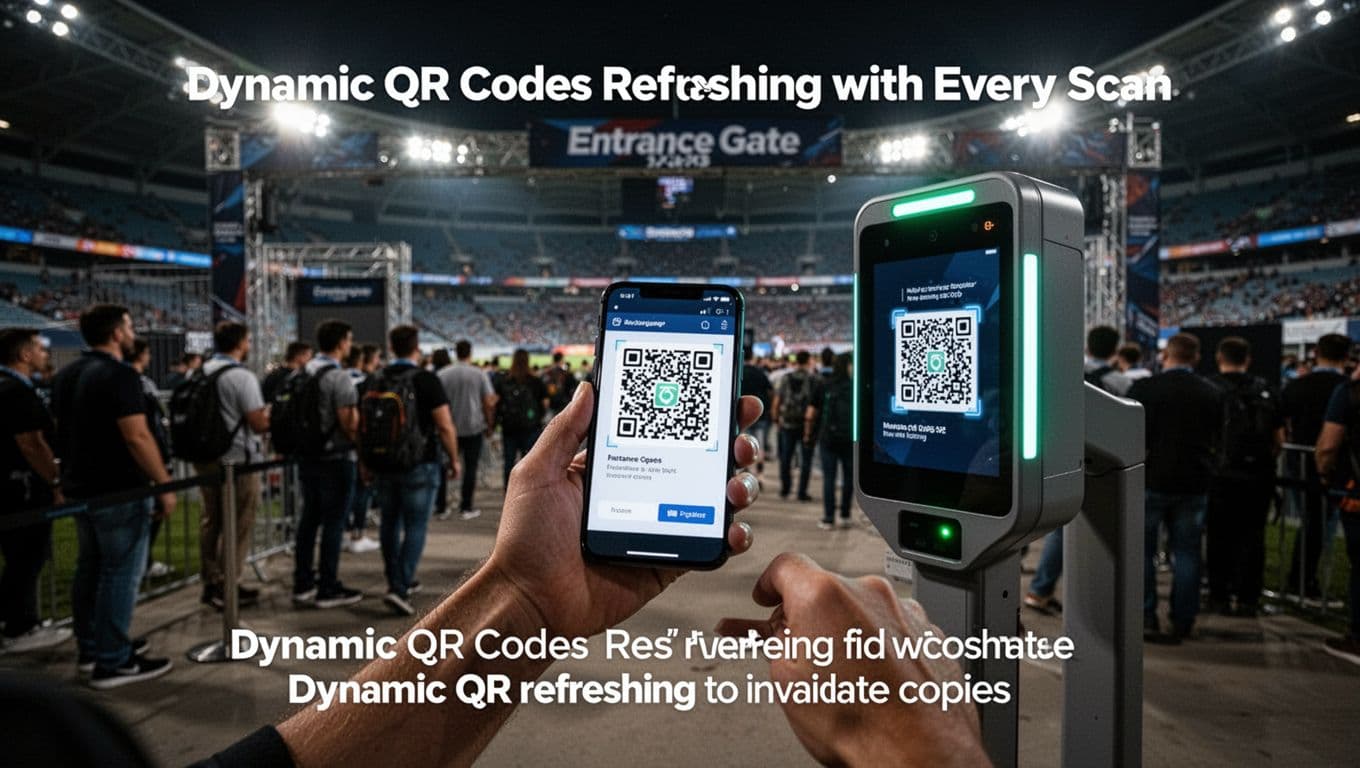
Dynamic QR codes change per scan (and often per short time window). That means the code you capture once is not the code that gets accepted at the gate. As staff scan your ticket, the system checks a live, server-side record, not a static picture.
Here is the idea in a simple way:
- You show your ticket QR.
- The gate scanner requests a fresh verification token.
- The code you see updates, then the previous version expires.
- A copied screenshot becomes useless within seconds.
This design breaks common fake workflows. If a scammer sells “proof” and you screenshot it, the screenshot quickly turns into a dead pass. In addition, dynamic codes reduce the payoff for code sharing inside social posts. Everyone who tries to use the old version gets a denial, even if the image looks identical.
It also speeds up entry. Staff do not have to guess or compare details. They scan, verify, and move on, which helps keep lines short during peak arrival.
For a quick look at how QR validation and ticket checks can work to stop reuse, see QR code ticket validation for events.
NFC Taps for Contactless, One-Time Use
NFC entry takes another path, and it’s great for contactless speed. When your phone (or wristband) taps the reader, the system exchanges information in a near-field window. Then it marks that specific tap as used, so the same ticket cannot pass again at the same gate cycle.
If a ticket gets stolen, this matters. A thief might grab your pass image, but they usually cannot generate a working NFC tap without the real device or valid token flow tied to the buyer’s ticket. Meanwhile, the gate does not rely on you showing a “perfect screenshot” to get in. It relies on the tap handshake.
You can also think of NFC like a doorbell that only rings if the right person knocks at the right time. Even if someone memorizes what it looks like, they still have to perform the same action correctly at the entry point.
This approach also supports fraud controls behind the scenes. Many platforms combine NFC with server checks, so the gate can refuse tickets that fail verification, even when the physical UI on your screen looks normal.
If you want a concrete example of 2026-style mobile ticket protections and entry improvements, read Ticketmaster’s new mobile ticket design.
Biometrics Linking Tickets to Your Face or Finger
Biometrics add the hardest-to-fake link of all: you. Instead of trusting the ticket alone, the entry system compares a live check to the buyer identity on record.
Common methods include facial recognition at the gate and fingerprint matching for higher-security events. In both cases, the system checks that the person scanning in matches the ticket owner. Then it denies entry when the match fails.
For scalpers, this changes the math. Reselling a ticket to a friend no longer works reliably, because the gate expects the original owner’s traits. For fraud rings, it adds risk and friction, because impersonation becomes more than “look-alike enough.” It becomes a measurable identity problem.
Also, biometrics reduce “buddy tickets,” where someone tries to help a friend by transferring access at the last minute. The gate can still allow changes when policies permit, but it blocks random use that looks like fraud.
In practice, these systems work best when the ticket includes a secure identity link, so the gate can verify buyer match fast and consistently. For more on the 2026 direction of biometric-capable entry, see biometric entry for event security.
Behind-the-Scenes Data Shields Protecting Your Info
When you buy tickets, your payment and account details travel through several systems. The goal is simple: stop thieves from reading your data, even if they intercept it. Think of it like sending your wallet in a locked steel box. Even if someone steals the box, they still cannot pull out anything useful.
Below are three key layers that protect buyer data during the purchase and while it sits in storage.
Encryption Scrambling Data in Transit and Storage
First, platforms protect data while it moves. Most ticket checkout pages use HTTPS, which relies on TLS (Transport Layer Security). In plain terms, TLS scrambles data between your browser and the ticketing service, so an attacker snooping on the network only sees gibberish.
Next, there’s encryption at rest. That means systems also protect sensitive data when it’s saved on servers or databases. So if a breach ever happened, stolen files still look scrambled unless someone also has the right keys.
Here’s the practical takeaway: encryption cuts the value of “intercept and copy.” If your data stays unreadable, fraudsters lose their fastest path to card theft.
If you want an example of encrypted ticketing claims from a major operator, Ticketmaster has described its SafeTix encrypted ticketing approach in terms of protecting the buyer-to-ticket flow: SafeTix encrypted digital ticketing.
Tokenization Replacing Real Details with Dummies
Even with encryption, payments need an extra safety rail. That’s where tokenization comes in.
Tokenization swaps your real card number for a token, usually a meaningless value that only trusted systems can use. So if someone grabs payment details during processing, they collect something that looks valuable but won’t work like your actual card.
It also reduces how widely sensitive data spreads inside the business. In other words, your real number has fewer chances to leak because it doesn’t travel like plain text through every service.
You can picture tokenization like replacing your real key with a temporary badge. The badge opens one secure door in one place, then it stops being useful anywhere else.
MFA and PCI DSS Locking Down Accounts and Payments
Encryption protects data. MFA protects accounts. Without MFA, a stolen password could still break in and start abuse. With multi-factor authentication, the platform requires another proof, like a code from an authenticator app, a push prompt, or even biometrics.
That matters for ticket fraud because most successful scams start with account takeover. Once attackers control your account, they can try to buy, change delivery settings, or transfer tickets.
For payments, strong platforms align with PCI DSS expectations. In simple terms, PCI DSS sets rules for how card data gets handled, stored, and monitored. When a provider follows PCI DSS processes, it reduces the chance of careless logging, risky storage, or weak access controls.
Put together, MFA and PCI DSS act like two locks on two doors:
- MFA slows account takeovers
- PCI DSS controls limit payment data exposure
Future-Proof Tools Like Blockchain and AI Watching for Trouble
Fraud fights back the same way weather does. It shifts, it adapts, and it shows up where the weak spots are. That means ticket systems need tools that can stay reliable as tactics change.
In 2026, the strongest approach is layered verification. You confirm ownership, you watch buyer behavior in real time, and you block automation before checkout finishes.
Blockchain Creating Fake-Proof Sales Records
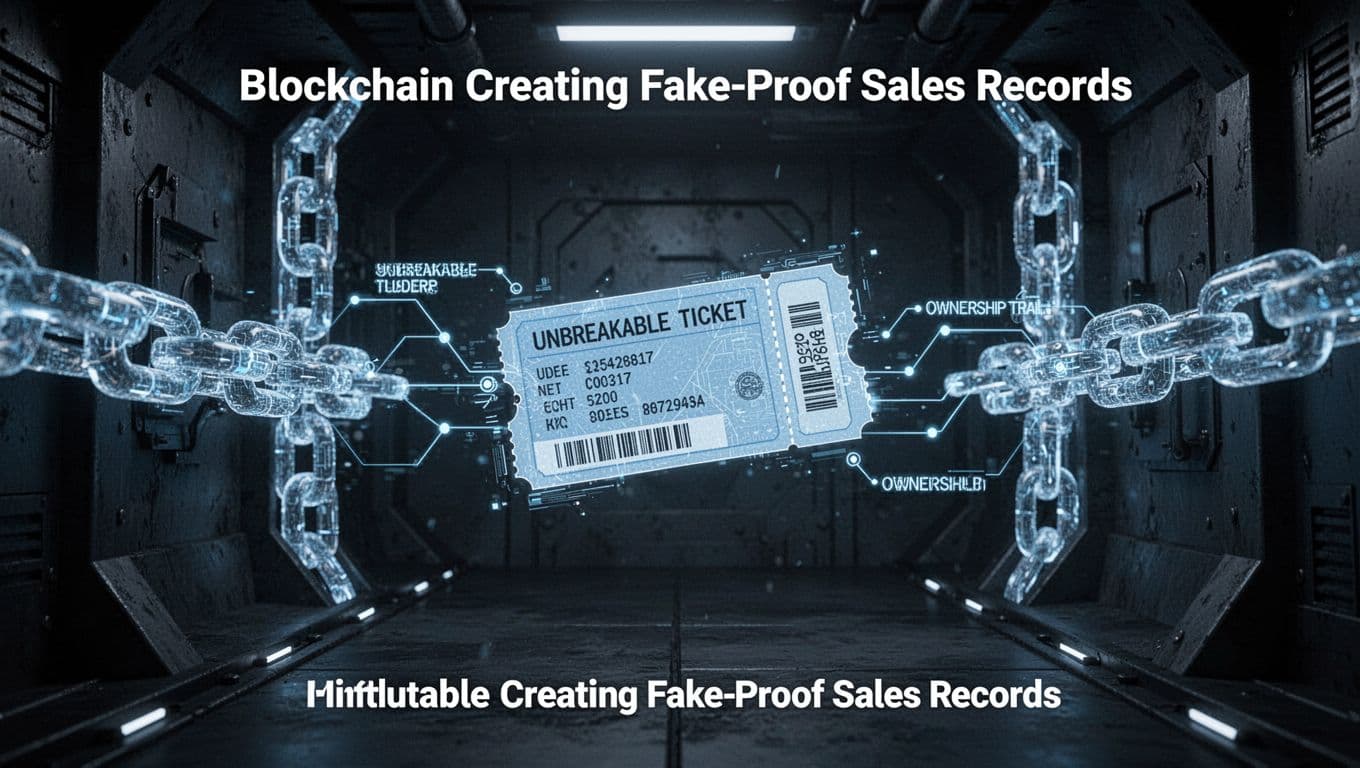
Blockchain supports immutable ticket history. In plain terms, it helps create a record that is hard to rewrite after the sale. Instead of trusting a single database copy, you build an ownership trail that anyone authorized can verify.
When ticketing uses blockchain-style tracking, each ticket gets a unique identity. Then each transfer gets logged as an event. That matters because many fake-ticket schemes rely on “editing the story” after a purchase, like swapping or reissuing codes behind the scenes.
Here’s what you get when the ledger does its job:
- Immutable ownership tracking: the system keeps a tamper-resistant timeline of who held the ticket.
- Easy verification at critical steps: transfers and resale rules can be checked against history.
- Cleaner audits: disputes have a stronger evidence chain.
Still, blockchain is not magic by itself. It works best when ticket issuance and buyer checks feed it trusted data. If the system starts with a bad sale record, a perfect ledger can only store the mistake.
So, think of blockchain like a courthouse record. It does not stop someone from committing fraud. However, it makes fraud harder to hide after the fact, and it speeds up proof when something goes wrong. If you want a grounded look at how blockchain ticketing is positioned for fraud resistance, see blockchain ticketing guide for secure tickets.
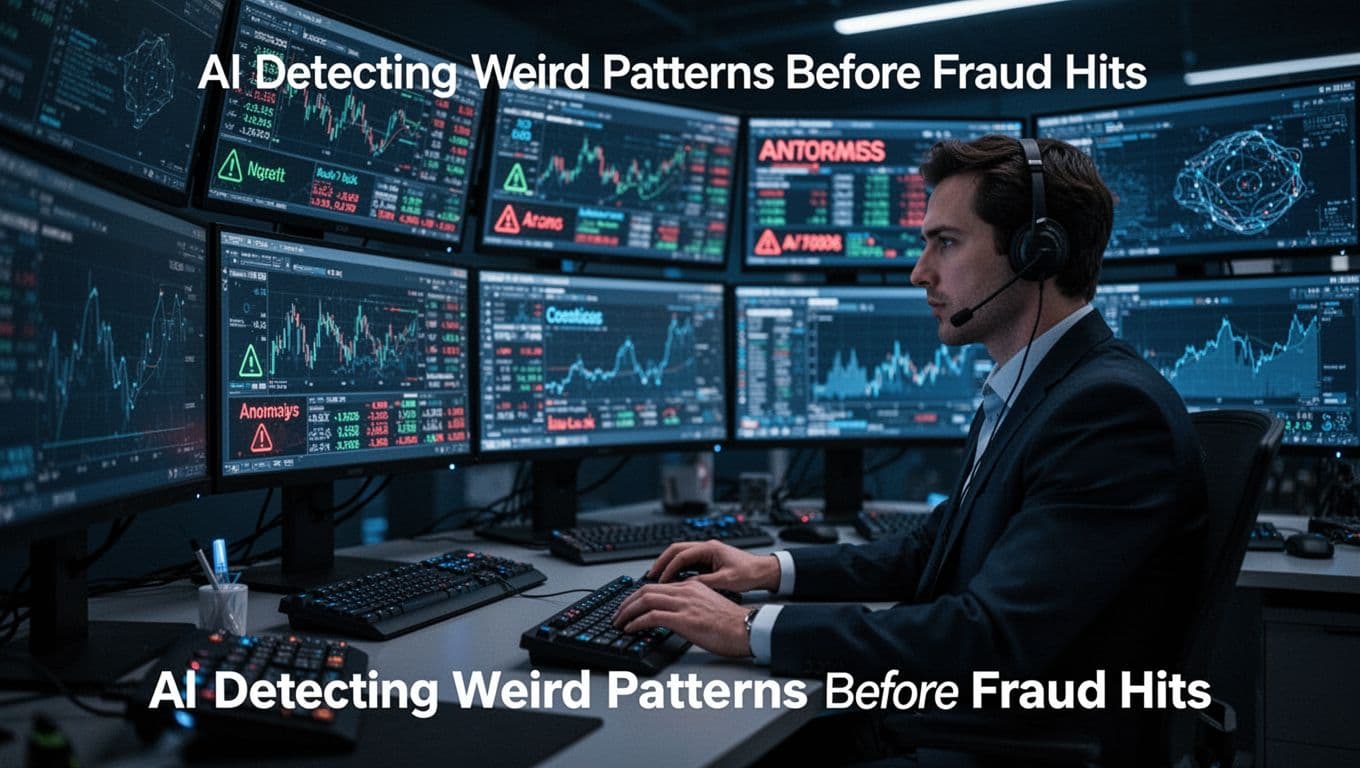
AI Detecting Weird Patterns Before Fraud Hits
AI is where “prevention” stops being a slogan. It monitors checkout and buying behavior as it happens, so fraud gets flagged while it still looks like a normal session to most people.
In 2026, ticket platforms train models to spot odd patterns that humans miss. For example, machine learning can notice when a device logs in repeatedly across many accounts. It can also detect bulk buying bursts that land too perfectly for real demand.
Common AI watch signals include:
- Unusual login patterns (too fast, too many attempts, odd time gaps)
- Bulk purchase clusters (many orders from one network path)
- Cart behavior that doesn’t match real shoppers (rapid retries, repeated checkout failures)
- Device and account links that form fraud “webs” across sessions
One reason AI works well here is that fraud rings do not behave like one attacker. They coordinate. They reuse infrastructure. They follow rhythms. AI can map those connections, so it spots the scheme, not just the single transaction.
Also, AI helps reduce false blocks. Instead of stopping every suspicious buyer, newer systems score risk in real time and route review only where it counts. That protects real fans during heavy demand, like the minute the doors open.
For a look at how AI fraud detection trends are moving toward real-time action, see IBM Safer Payments introduces agentic AI fraud detections. The key idea is the same for ticketing too: models must react at machine speed, not after the money moves.
Bot Blockers and Secure Apps for Extra Layers
AI and blockchain both help, but bots still try to slip through. That’s why secure apps and bot blockers matter, especially at the moments fraudsters feel most vulnerable: page load, checkout start, and ticket delivery.
Bots often need a clean path. So ticket platforms interrupt that path with checks that feel invisible to real fans. CAPTCHA variants still show up, but 2026 systems tend to pair them with rate limits, risk scoring, and device signals.
Secure mobile apps add another practical shield. They can validate ticket access using trusted app-side logic plus server checks. When a ticket gets scanned, the app verifies it follows the right rules for that entry window and that buyer session.
You’ll commonly see layers like these:
- CAPTCHA variants that challenge only suspicious traffic
- Bot behavior checks during checkout (speed, retries, and navigation timing)
- Secure scanning app validation across platforms (phone, mobile web, and wallet flows)
- Device and network fingerprinting so one fake identity cannot scale easily
A helpful detail is cross-platform consistency. If your ticket app accepts one format but your web flow accepts another, scammers will test the weakest seam. Secure ticket systems try to validate the same truth everywhere, so a code cannot “work” in one channel and fail in another.
Also, consider what this means for you as a buyer. You get fewer checkout errors from automation fights. You also get fewer “looks real” tickets from scams. The extra layers act like a security guard at the door and a lock on the handle, so the event stays yours to attend.
If you want an example of CAPTCHA and bot defense approaches that many ecommerce tools use, check SecureGate CAPTCHA for bot blocking. Even though it’s for online stores, the pattern carries over: keep bots guessing, and confirm traffic risk before a purchase completes.
Finally, buyers trust systems that explain outcomes clearly. When fraud stops earlier and verification stays consistent, you spend less time arguing and more time planning your seat. That trust benefit is not small, it shows up every time the gate opens without drama.
Conclusion
Ticket fraud in 2026 is harder to pull off because ticket systems use layered checks, not one magic feature. Dynamic QR codes and other one-time style entry checks cut off the most common scam path, since a screenshot or reused code doesn’t stay valid. At the same time, encryption, tokenization, and account controls protect your payment and identity, so stolen details have less value.
Most importantly, AI and bot defenses watch what happens during checkout and flag risky patterns early. As a result, real fans face fewer disruptions, and fraud teams lose time they can’t get back.
If you want the best odds, buy from official sites or trusted sellers, and double-check that your ticket supports current entry rules (like dynamic codes that refresh at scan time). Share this with friends heading to the same event, because one tip can stop a bad purchase before it becomes a line-day problem.
What should you check first when you get your ticket, the seller or the entry method? For quick next reads, look for topics like “how dynamic QR verification works,” “what tokenization means for payments,” and “how AI bot detection reduces scalping.”
Get your tickets the right way, verify the entry features, and enjoy the show with far less worry.