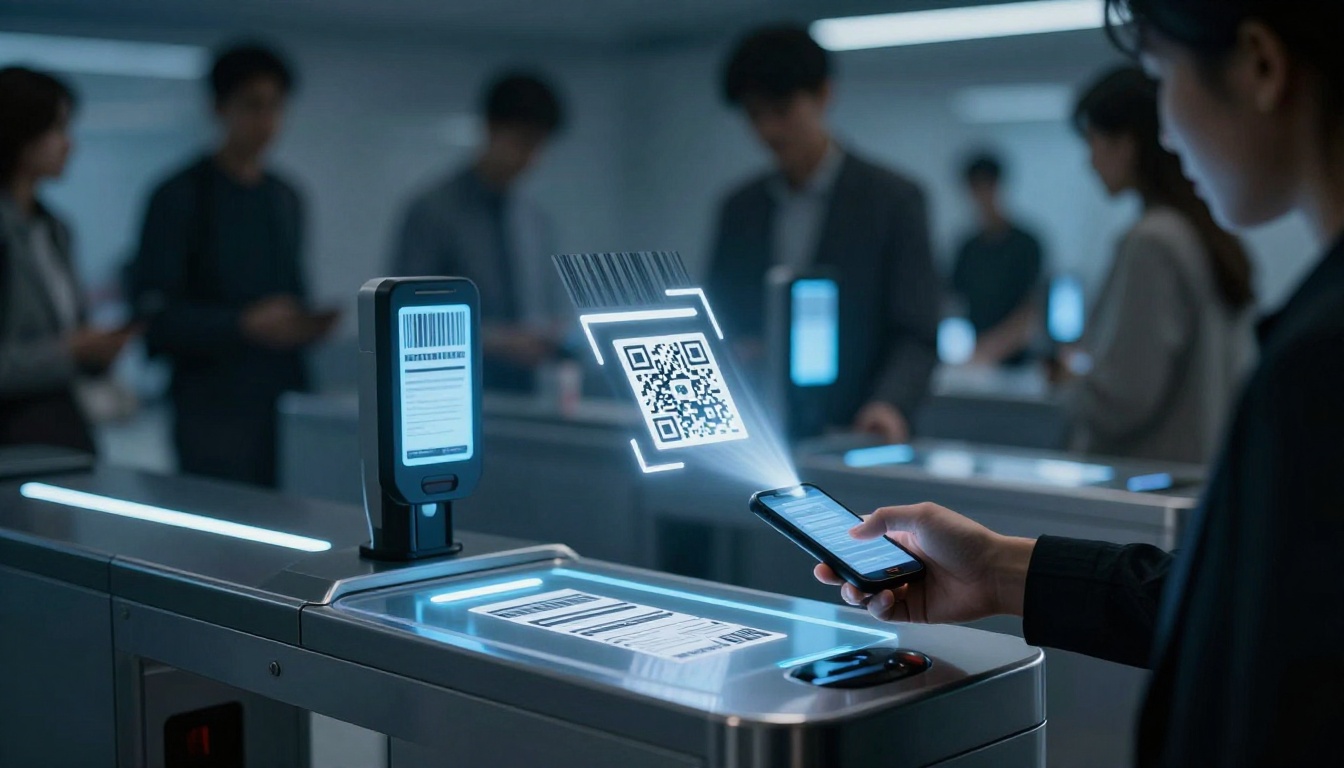
Ever stood in a long line at an airport gate or outside a concert venue? It feels slow, even when you’re excited. Then someone scans your ticket barcode or QR code, and suddenly you’re through.
Barcode and QR code tickets work by turning your entry into a quick verification step. The ticket itself is a pattern (printed or shown on your phone) that proves your ticket is real, matches the event, and has not been used yet. After a scan, the system either approves entry or flags a problem.
This matters because the gate is where most delays, confusion, and ticket fraud attempts happen. When ticket checks run fast and correctly, lines shrink and staff can focus on people, not paperwork.
In this guide, you’ll learn how barcode tickets work and how QR code tickets scanning checks your ticket step by step. You’ll also see the key differences, what security tricks prevent scams, and real-world examples from concerts and flights. Finally, we’ll cover the 2026 trends that make entry even smoother.
How Barcode Tickets Verify You’re Legit at the Gate
A barcode ticket uses a 1D barcode (those black and white lines). It stores basic ticket info, usually wrapped around a unique ID. That ID lets the scanner verify the ticket against the event’s system.
Organizers don’t print “random lines.” They generate barcodes from your purchase details, then add safeguards so each ticket can be tracked and checked. Many systems also set expiration rules, so old or reused codes fail.
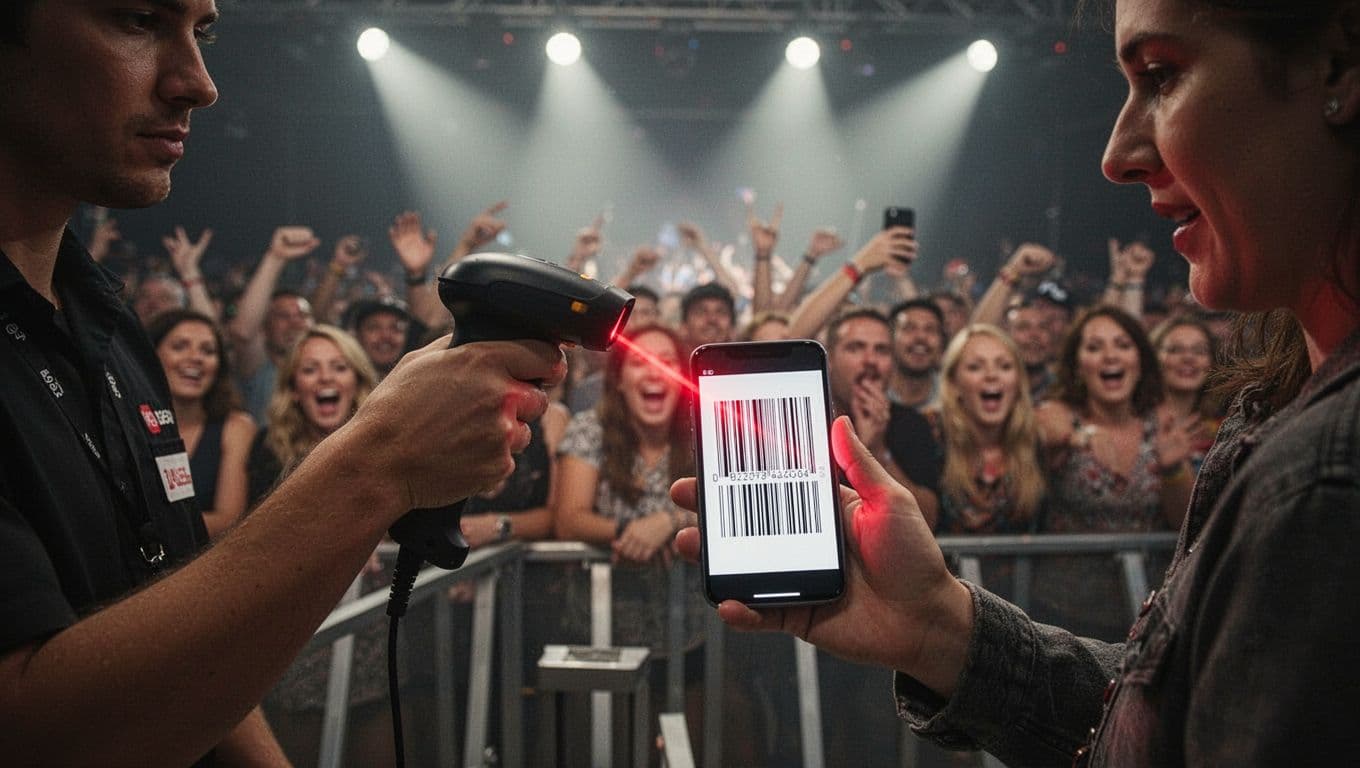
At the gate, the process is simple: staff scan the barcode, the system checks it, then it marks the ticket as used. If someone tries to reuse it, the system blocks them.
Barcodes are common because they’re quick to scan and cheap to produce. They also work well with basic entry needs, like one ticket equals one admission.
That said, barcodes hold less data than QR codes. If a venue wants to include extra info like maps, perks, or richer passenger details, they often switch to QR.
In 2026, you’ll also see more movement toward dynamic barcodes. Some venues use animated or rotating barcode formats so screenshots are less useful. For a broader look at the scanning workflow, see how ticket barcode systems validate entries.
Step-by-Step: From Ticket to Entry with Barcodes
Here’s what happens during a typical barcode ticket check:
- You get the ticket via email or an event app. It may be a printed barcode, or it shows on your phone.
- You show it at the gate. Staff also check your ID if the venue requires it.
- Staff scan the barcode using a handheld scanner or a phone scanning app. The device reads the lines fast.
- The system verifies the ticket in a live database. It checks the ticket ID, event date, and whether it’s already used.
- You get a green light and enter. If the ticket fails rules, staff see a red flag message.
Because many venues sync gates in real time, the check can prevent duplicates across entrances. That’s one reason crowds move quicker at busy festivals.
Also, some ticket systems keep an offline backup mode. If service drops, they can still reduce chaos. Once the connection returns, the system reconciles entries.
What Info Hides Inside a Barcode
A typical barcode contains a small set of data. The exact content depends on the event system, but commonly it includes:
- Unique ticket ID (the main thing scanners verify)
- Event and date info (so the barcode only works for that show)
- Seat or zone code (for assigned seating)
- A security signature (a signed token that makes fakes harder)
Even when the barcode “looks” simple, the scanner does the heavy lifting. It turns the lines into an ID, then checks that ID online.
Because barcodes are limited in space, they’re best for basic entry rules. They usually don’t carry long URLs or detailed perks. If a venue wants more flexibility, QR codes make that easier.
Why QR Code Tickets Pack More Punch Than Barcodes
QR code tickets use a 2D code. Instead of lines, you get a square grid of blocks. That design holds far more data than a 1D barcode.
As a result, QR tickets can support things like:
- richer attendee details
- links to venue maps or check-in info
- multi-day passes with clear scoping
They also scan well on phones. Most people already have a camera and a scanner app. So staff can check tickets with a dedicated scanner or a mobile device.
Another big win is error correction. If a QR code is smudged, partially blocked, or viewed at an angle, it can still often decode. That matters when venues get crowded and lighting is dim.
In 2026, QR tickets also lean into dynamic security. Some QR codes refresh every short interval, so screenshot reuse fails quickly. Realtime updates can also make entry rules more accurate during sudden changes.
If you want a practical overview of event QR flows, check the basics of event ticket QR code use.
Scanning Your QR Code: Quick and Foolproof
QR entry can feel even faster because it’s built for cameras. Here’s the typical path for QR code tickets scanning:
- You receive the QR code in an email or ticket app.
- You open it on your phone (or show it from a printed copy).
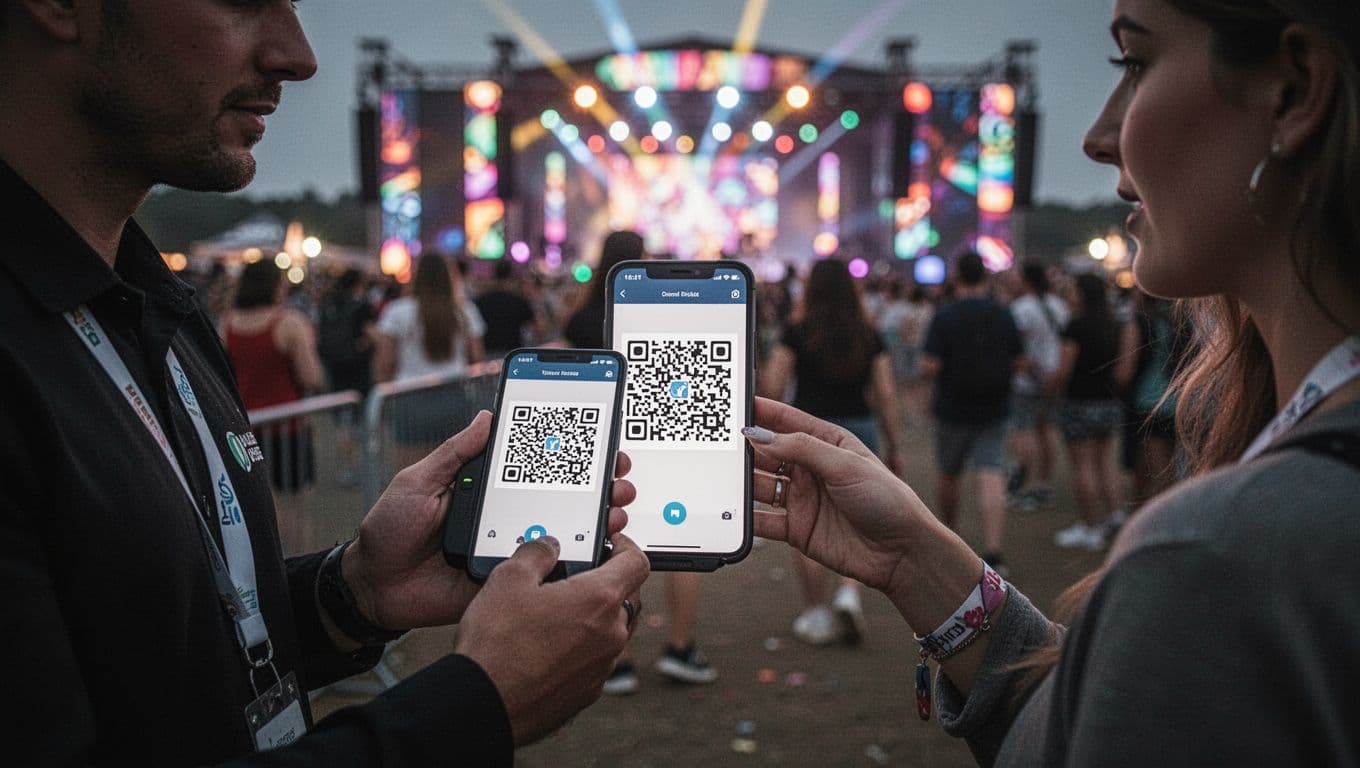
- Staff scan with an app or camera. The system reads the QR instantly and sends the ID for verification.
- The system marks the ticket used. Then it lets you in.
Many venues run dynamic QR codes. These refresh regularly, sometimes around every 30 seconds. If someone tries to share a screenshot, it often won’t match anymore.
Also, QR codes can be easier to scan across different devices. That helps when staff rotate scanners or when a gate has tech issues.
The Extra Data Magic in QR Codes
QR codes can store more than a ticket ID. Depending on the system, they may include:
- name or confirmation details
- seat, section, or entry lane
- links to maps, rules, or perks
- data that ties to wallet actions or upgrades
Meanwhile, barcodes usually stay small and focused. That’s why QR codes often pair well with modern event features, like adding last-minute upgrades or showing venue directions.
For a deeper technical view of validation with scanners, see how ticket validation works for barcodes and QR.
Barcode vs QR: Security, Speed, and Real Wins Head-to-Head
Barcodes and QR codes both verify entry by scanning an ID and checking it against a system. The differences show up in capacity, phone-friendliness, and security options.
Here’s the quick comparison:
| Feature | Barcode Tickets | QR Code Tickets |
|---|---|---|
| Data capacity | Limited (best for basic rules) | Higher (supports more details) |
| Phone scanning | Works, but may need a scanner | Works well with camera apps |
| Screenshot risk | Can be higher if static | Often lower with dynamic refresh |
| Entry flow | Fast for single-purpose gates | Fast and flexible for phones and groups |
| Best fit | Simple events, low-info tickets | Large events, perks, maps, updates |
You can also review QR code vs barcode differences for a clear feature breakdown.
In practice, many venues choose QR when they want more than “yes or no.” Airports and some transit setups also use QR-style entry to reduce manual steps.
Top Security Tricks That Stop Ticket Scams
Ticket scammers usually try one of three things: reuse a ticket, copy a code, or share someone else’s screenshot. So systems fight back with:
- One-scan rules: once marked used, the ticket can’t pass again.
- Signed identifiers: scanners confirm the code belongs to that event system.
- Dynamic refresh: short-lived codes make screenshots expire fast.
- Server checks: validation happens online, not on the code alone.
If you’ve ever noticed a QR code that changes when you keep it open, that’s the idea. It’s meant to reduce “grab a screenshot, enter later.”
Real Events Where These Tickets Shine
These codes show up everywhere:
- Concert venues: QR and dynamic barcodes speed up turnstiles between sets.
- Stadium entries: scanners reduce manual list checks for big crowds.
- Air travel: gate entry uses QR-style boarding passes and barcode-like verification patterns.
- Running events: runners can scan in without waiting for staff to find names.
For the smoothest experience, keep your screen brightness up and avoid glare. If you’re using a QR ticket, don’t rush the scan either. Hold it steady for a second, and staff will get a clean read.
What’s Next for Tickets in 2026 and Beyond
By 2026, ticket entry keeps getting smarter in small, practical ways.
Expect more branded QR codes that look trustworthy and scan cleanly. Expect more analytics on entry timing, so organizers can move staff to the slowest gate. Also, more venues blend QR with NFC tap entry, so you can scan when needed and tap when available.
Will barcodes disappear? Not fully. Barcodes still work well for simple entry, quick printing, and low-data tickets. However, QR codes keep winning where mobile control and richer details matter.
Most importantly, codes don’t only open doors. They help staff verify faster and keep lines moving.
Conclusion
The reason barcode and QR code tickets work is simple. A scanner reads an ID, the system checks it, then it marks the ticket used. That’s how you get through gates fast without relying on paper lists.
Barcodes are great for basic entry. QR codes add more data and often use stronger dynamic checks. So QR code tickets scanning tends to feel smoother when venues get busy.
Next time you see your code at the gate, you’ll know what’s happening behind the scenes. Check your ticket type, keep your screen ready, and you’ll breeze in like you planned it.