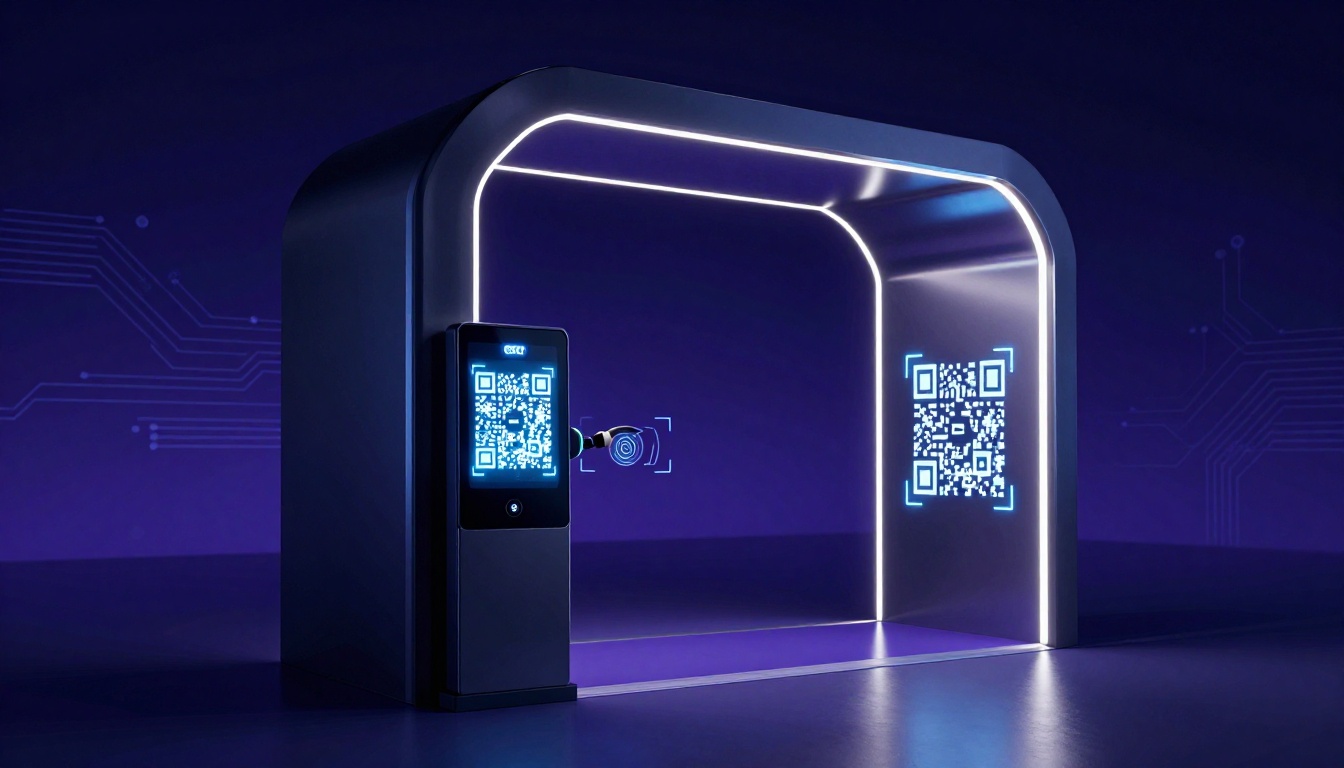
Have you ever stood in line for a concert or flight, phone in hand, and wondered if your ticket will scan? That stress feels worse when the gate staff looks ready for the next crowd.
Behind the scenes, systems store and verify ticket information so entry happens in seconds, not minutes. They also help stop fake tickets, bot resales, and mismatched IDs.
In 2026, the biggest shift is how often people use apps and contactless entry. Many venues still rely on QR codes, but more gates now support RFID wristbands and biometric checks after app registration. Travel has its own version of this, too, where boarding passes link to identity and booking data.
Ticket tech shows up in three main worlds: events, travel, and parking/entry. Each world stores your info in its own way, then verifies it at the exact moment you show up.
Next, you’ll see what gets stored, what gets checked, and why the verification step matters so much for event ticket verification systems, airline ticket storage systems, and parking ticket verification.
How Live Event Systems Store and Check Concert and Sports Tickets
Live events need two things at once: speed and accuracy. If the gate system is slow, lines grow fast. If it’s loose, counterfeit tickets slip in.
Most event ticketing platforms store ticket details in secure databases. Then, the gate apps pull just enough data to confirm your entry. Many platforms also keep local cache backups, so scanning still works when internet access dips.
On the ticket side, your entry usually starts with an access token tied to your purchase. That token often includes a unique ID, seat or section info, and event rules (like day/time limits). For example, platforms commonly generate QR codes after checkout, then associate each code with the buyer name and seat assignment.
To understand how modern access control fits together, Ticket Fairy breaks down ticketing features that support better scanning and security for 2026 events. You can read the platform overview of what organizers look for in a ticketing stack in ticketing platform features for 2026 festivals.
At the gate, verification usually follows this logic: scan or tap, match against real-time rules, then open entry. However, the “matching” part can vary a lot.
Here are common storage and verification methods you’ll see in event systems:
- QR tickets: the code maps to your unique entry record.
- RFID/NFC wristbands: the wristband ID maps to one ticket record.
- Biometrics after registration: your identity is confirmed against prior app enrollment.
- Fraud checks: systems flag weird patterns before you reach the scanner.
Security matters because counterfeit tickets tend to exploit one weak link. Ticket fraud prevention guidance from Ticket Fairy covers tactics like identifying fake barcodes and spotting risky purchase patterns in festival ticket fraud prevention.
Meanwhile, some event systems add device-level risk checks. In some deployments, organizers use techniques like device fingerprinting and timed barcode patterns. Ticket Fairy discusses those anti-fraud methods in anti-fraud ticketing with timed barcodes.
The result? Gates can verify tickets quickly without letting scammers get comfortable.
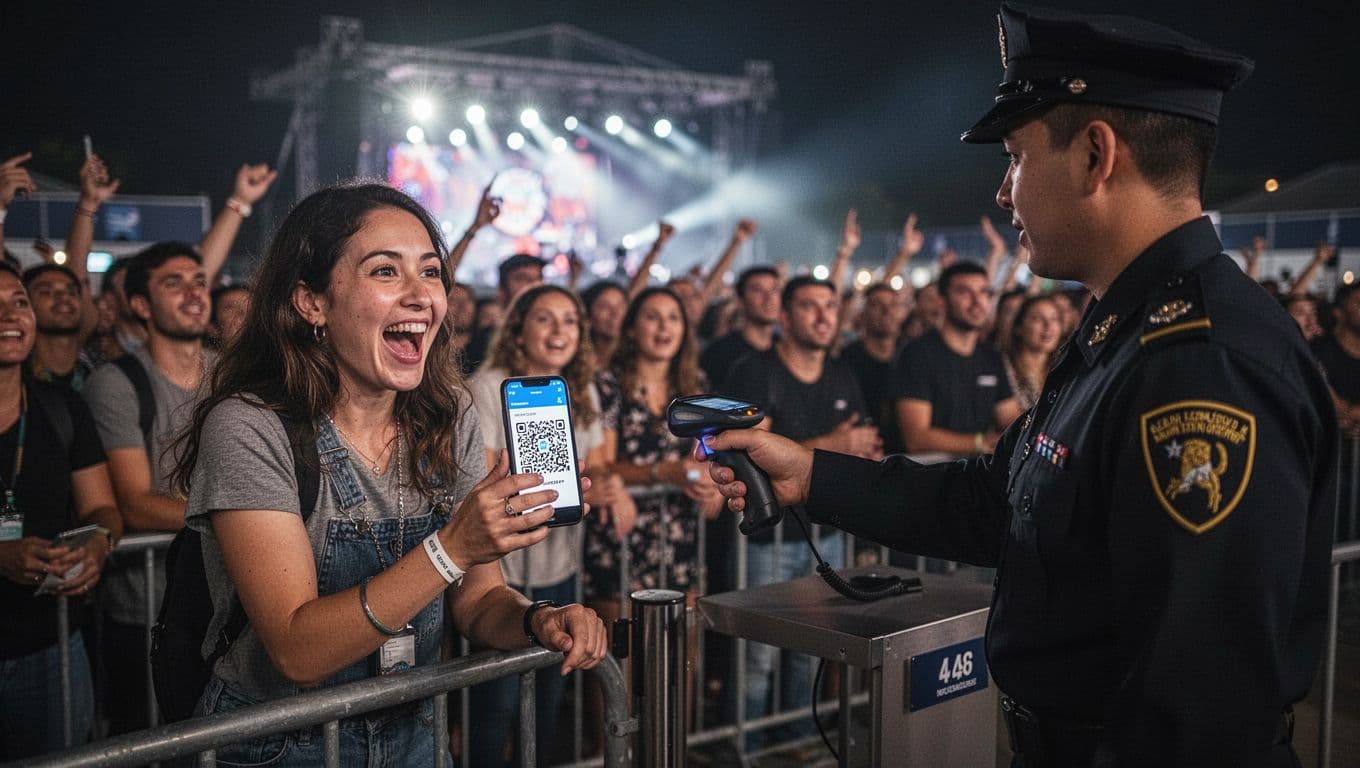
What gets stored in a typical event ticket record
Even when the user sees “a QR code,” the system usually stores more than the image. For example, a ticket record may store:
- Your unique ticket ID (the code’s underlying reference)
- Event date, time window, and venue rules
- Seat, section, or general admission details
- Purchase metadata (like the buyer account or redemption status)
- Anti-fraud signals tied to the order
When verification happens, scanners check that the ticket is real, not already used, and allowed for this entry point.
If you want a simple mental model, think of it like a hotel key card. The physical card matters, but the real control sits in the system that knows which doors your card should open.
QR Codes and Scanning: The Go-To Entry Method
QR codes stay popular because they’re easy for guests. You don’t need a special device. You just need a phone (or a saved image) and a fast scanner at the gate.
Here’s what happens in most QR flows:
- The ticket system generates a QR code after purchase.
- The QR code links to an entry record in a database.
- A scanner reads the QR and checks the record.
- The gate updates the status so the ticket can’t reuse.
Because the scanner needs to make a decision fast, many systems use local processing. In other words, the device may cache a slice of event data, then validate in near real time. This reduces wait time when crowds surge.
However, QR systems can still depend on network conditions. If the gate needs to confirm data that isn’t cached, internet drops can slow things down. That’s one reason modern event setups often include offline-friendly scanning options.
Pros and cons you’ll feel as a ticket holder
QR entry usually feels smooth because it works across many phones and apps. Yet you may notice issues when your phone battery dies or your QR code is buried in a folder.
Pros
- Easy to present and scan
- Works well for reserved seats
- Great for day-by-day time windows
Cons
- Can fail if your screen is too dim or cracked
- Some setups need internet for best reliability
- Screenshots can cause confusion if the gate system expects one-time updates
If your event uses QR codes plus stronger controls, Ticket Fairy also covers why access tech choice matters in QR codes vs RFID vs biometrics in 2026. The big takeaway is simple: the “right” method depends on crowd size, venue layout, and the fraud risk level.
RFID Wristbands and Biometrics: Faster, Touch-Free Options
Touch-free entry cuts down on friction. It’s also easier for staff during peak surges.
With RFID wristbands, the gate uses an RFID reader (or NFC-capable reader). When you tap your wristband, the reader reads the wristband’s ID. Then it checks that ID against the ticket record, similar to how QR codes work.
These systems shine at festivals and general admission events. You can move fast and scan without aligning your phone camera.
Biometrics take it further. In 2026, you’ll see biometrics more in travel than in typical local concerts, but events are still experimenting. Many biometric programs use an enrollment step first. That enrollment happens in an app or at a registration station.
After enrollment, the gate camera checks your face (or another biometrics factor) against the enrolled identity. The system then confirms your ticket access without requiring you to present a phone code at every step.
Privacy also gets treated as part of the product. Many deployments aim to limit what they keep. The goal is to verify you, then delete or reduce data after the event ends.
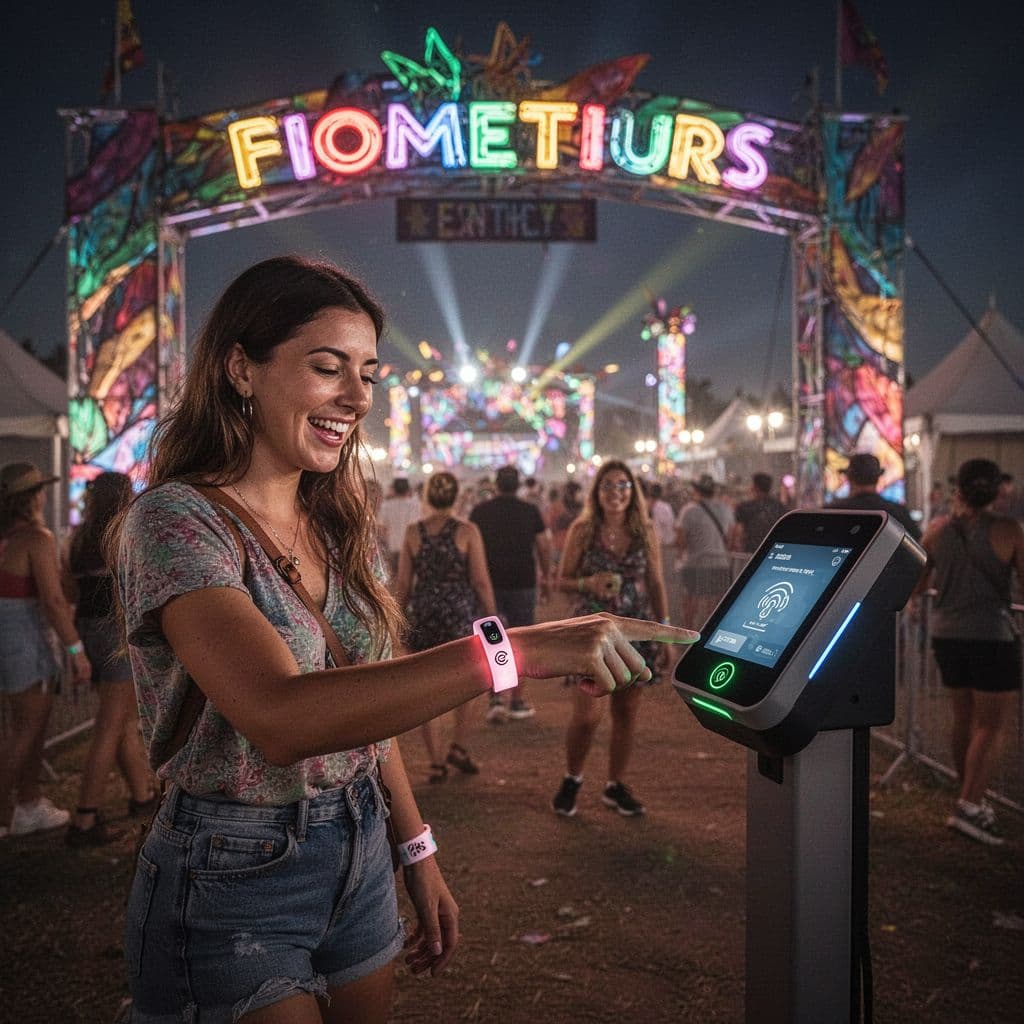
Why RFID can reduce gate bottlenecks
QR entry often requires a brief pause: align camera, hold still, scan. RFID entry cuts that moment. As a result, gates can handle higher throughput.
Also, wristbands reduce “oops” moments. You don’t have to worry about screen brightness, glare, or cracked phone glass. Still, wristbands can get lost or shared, so systems usually pair wristband IDs with one-time redemption rules.
Biometrics at gates: where identity and boarding meet
For travel, biometric entry is becoming more mainstream. TSA has rolled out programs aimed at faster and smoother identity checks at checkpoints.
For a concrete example, TSA published updates about its TSA ConfirmID rollout in TSA successfully rolls out TSA ConfirmID. That matters because it shows identity checks are shifting from paper to automated verification.
If you’ve ever wondered why airlines and airports talk about “identity matching,” this is the reason. They want one decision: the right person for the right authorization.
Airline and Travel Tickets Powered by Global Booking Giants
Airline ticketing runs on a different foundation than events. Instead of one event database, airlines rely on systems that connect reservations across many partners.
Most airline operations use GDS platforms (Global Distribution Systems). Two names you’ll see often are Sabre and Amadeus. These systems help store and route booking data across airlines, travel agencies, and online travel brands.
So what’s stored? Usually your booking links to:
- An order ID or record key
- Flight info (route, times)
- Passenger identity fields
- Seat and itinerary details
- Sometimes baggage information and special service notes
Then verification happens at airports when you check in or board. The gate checks your boarding pass against the flight’s manifest. In many cases, the system also matches identity fields to reduce mismatches and fraud.
For 2026, you’ll still see lots of QR-based flows in apps. Yet more checkpoints are also using touchless identity options. That includes facial recognition programs where eligible travelers can pass faster.
A quick comparison of common travel ticket verification pieces
Here’s how the storage and verification pieces often line up in travel.
| Travel system piece | What it stores | What it verifies at check or gate |
|---|---|---|
| E-ticket / booking record | Flight itinerary, passenger details, order ID | That your booking matches the flight |
| Boarding pass (app or paper) | QR or barcode tied to the booking | That your pass maps to a valid seat or entry |
| Identity check options | ID or enrolled identity attributes | That the person matches authorized travel |
The key point is that airline systems build a chain. Your ticket, your reservation, and your identity all connect.
Sabre and Amadeus: The Brains Behind Your Flight Booking
Sabre and Amadeus act like central hubs for booking data. Airlines and travel companies query these platforms to price, book, and manage trips.
Sabre has also been pushing improvements tied to “real-time” offer validation. In a 2026 release, Sabre describes a Cache-powered approach that supports faster result alignment to live offers in Sabre’s Cache-powered intelligent shopping update.
You might not see that tech, but you feel it when your itinerary updates fast, or rebooking works without long delays.
Amadeus plays a similar role in the GDS world. If you want a plain-language comparison of how these systems differ, you can reference GDS system comparison: Amadeus vs Sabre vs Travelport.
What changed in recent years, and why it matters
Travel tech has moved toward better data consistency and faster decisions. That reduces “why can’t I scan?” moments. It also helps cut fraud by tying bookings to clearer identifiers.
In 2026, you also see more emphasis on standardized order and offer management. The goal is simple: the same trip data should match across apps, agents, and airport systems.
Biometric Boarding: Skip the Paper at the Gate
Biometric boarding aims to reduce the steps between “arriving at the gate” and “walking onto the plane.” In some programs, eligible passengers can use facial recognition to pass checkpoints.
You can picture it like this: instead of showing a card for every decision, the system verifies you directly. Then it checks that you’re cleared for that flight.
As biometric boarding gains traction, you’ll find more coverage on how it helps move passenger flow. TMC Insight discusses how biometric boarding reshapes passenger flow for airlines in how biometric boarding is reshaping passenger flow.
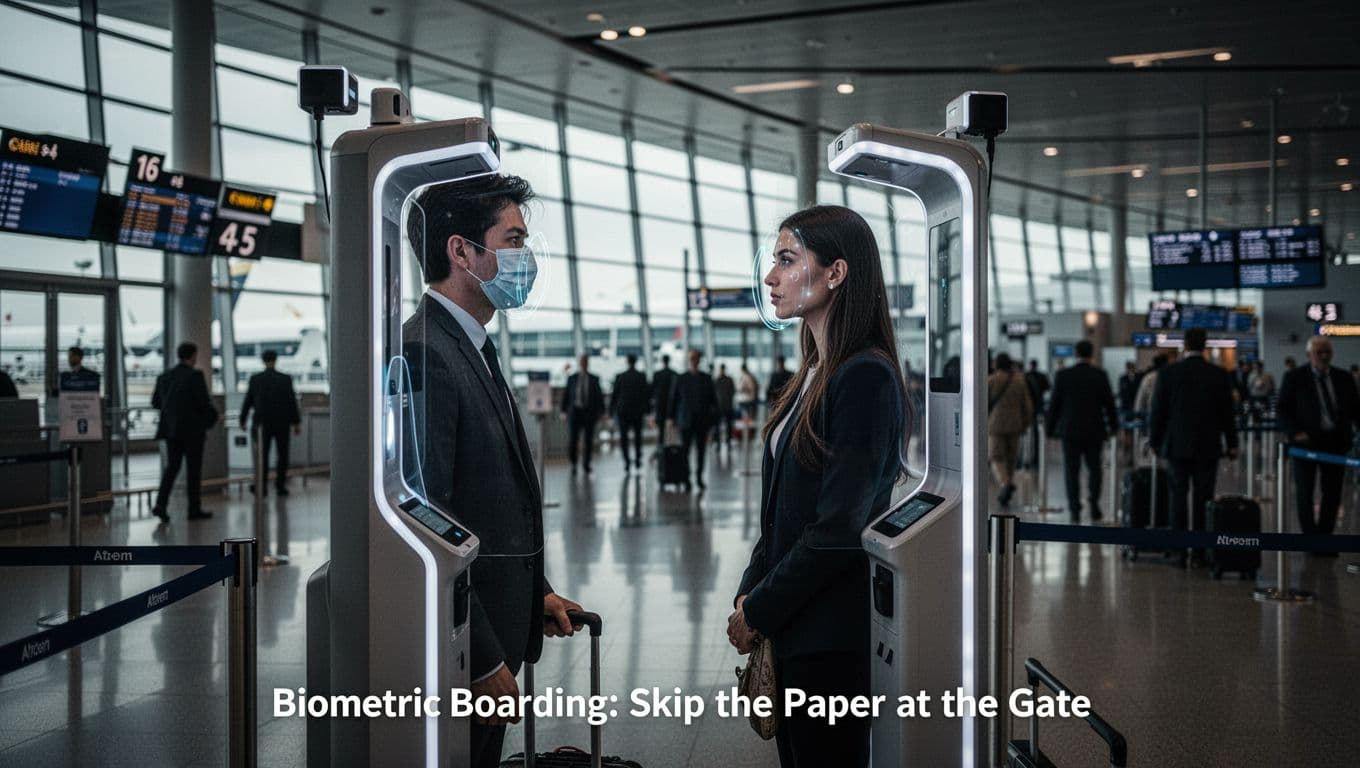
The biggest benefits you’ll notice
- Shorter lines at identity steps
- Less handling of IDs and documents
- Fewer “this pass won’t scan” issues
Still, biometric access tends to be optional and eligibility-based. You may still need an ID backup. That’s smart. Systems work best when they don’t leave anyone stranded.
Parking and Other Tickets: Smart Tech for Everyday Use
Parking is where ticket tech hits real life fast. You can park without thinking much, then deal with payment at the end. Smart parking systems changed that by using automatic checks.
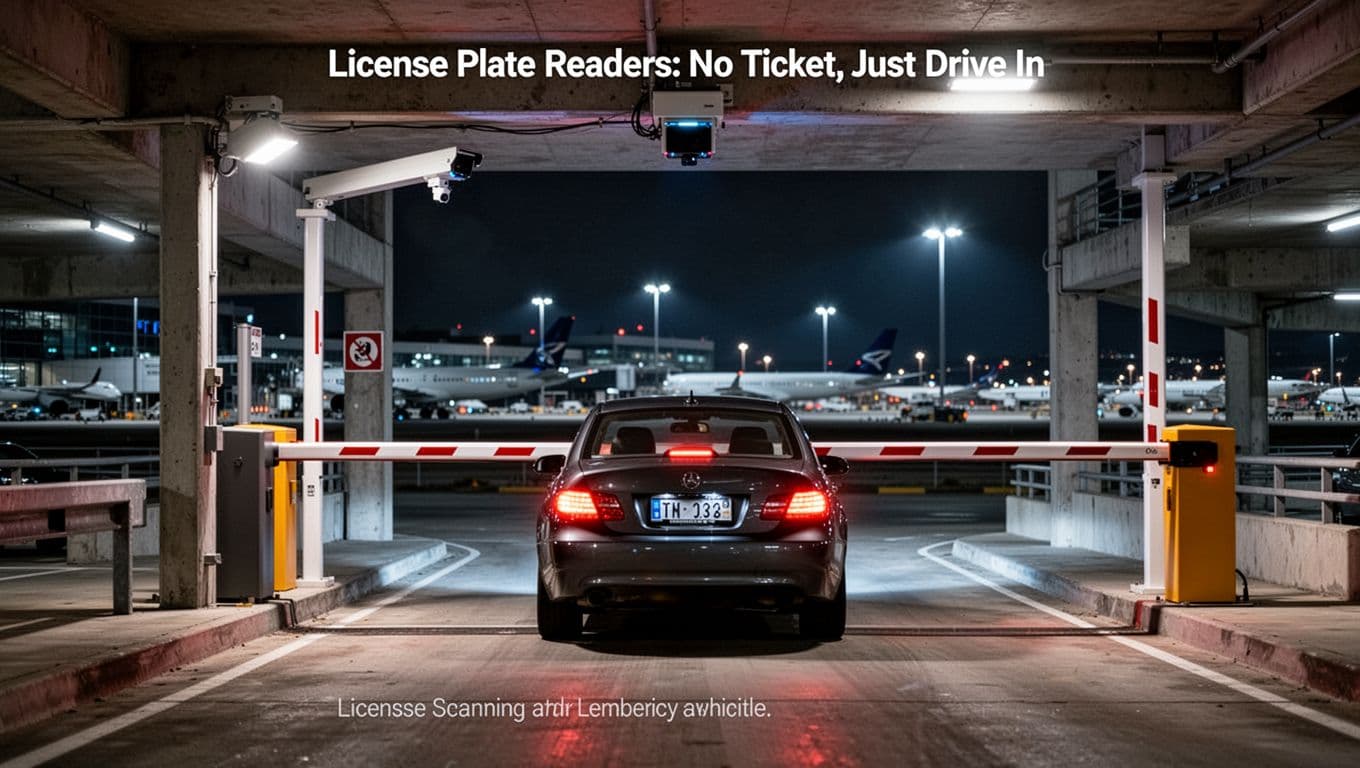
Many airports and garages use license plate readers (LPR) to handle entry and exit. This helps replace paper tickets with plate-based authorization.
In addition, some places still issue codes. They may use QR codes or app-based time limits tied to your account. When you enter, sensors or pay stations validate that code. Then the garage logs your usage.
If you park near an airport, you might also notice that staff adjust operations based on flight timing. Systems can correlate arrivals and departures, so valet and pickup support get ready.
Why this matters to ticket verification
Parking systems need to avoid two problems:
- Paying users getting denied
- Unauthorized vehicles slipping in
To reduce that, the system links a vehicle (or user code) to a payment session and a time window. Then it verifies at entry and exit.
That’s why parking ticket verification often works like a quiet guardrail, not a stressful gate moment.
License Plate Readers: No Ticket, Just Drive In
LPR setups use cameras to read your plate as you enter. Then they compare it to an approved list or an active payment session. When you leave, the system checks again. Finally, the garage charges the correct rate.
This lets you enter without grabbing a ticket from a dispenser. It also reduces missed scans, because the system does not rely on a phone screen at every entry.
Some major airports use SKIDATA systems, including airport parking deployments documented by the company. For an example, see SKIDATA Reference Budapest Airport.
Also, parking is broader than one airport. If you want a look at SKIDATA and airport parking experience, see Kia Ora Auckland Airport and SKIDATA. It shows how partnerships and tech combine for smoother entry.
Where mobile parking fits in
Some lots blend LPR with mobile payments. In that setup, you might start a session in an app. Then the cameras match your plate to that session.
Other systems use codes tied to a tenant or account. In those cases, the system verifies that your code is valid, unused, and within its time range.
Either way, the verification step is the heart of it. The system decides if you should pass now, then logs everything in case of a dispute later.
2026 Trends Making Ticket Systems Smarter and Safer
Ticket verification keeps evolving for one simple reason: crowds and fraud both scale. When more people buy tickets online, scammers also scale. So ticket systems respond with better data checks and faster entry.
In 2026, you’ll see several patterns in how ticket systems store and verify info.
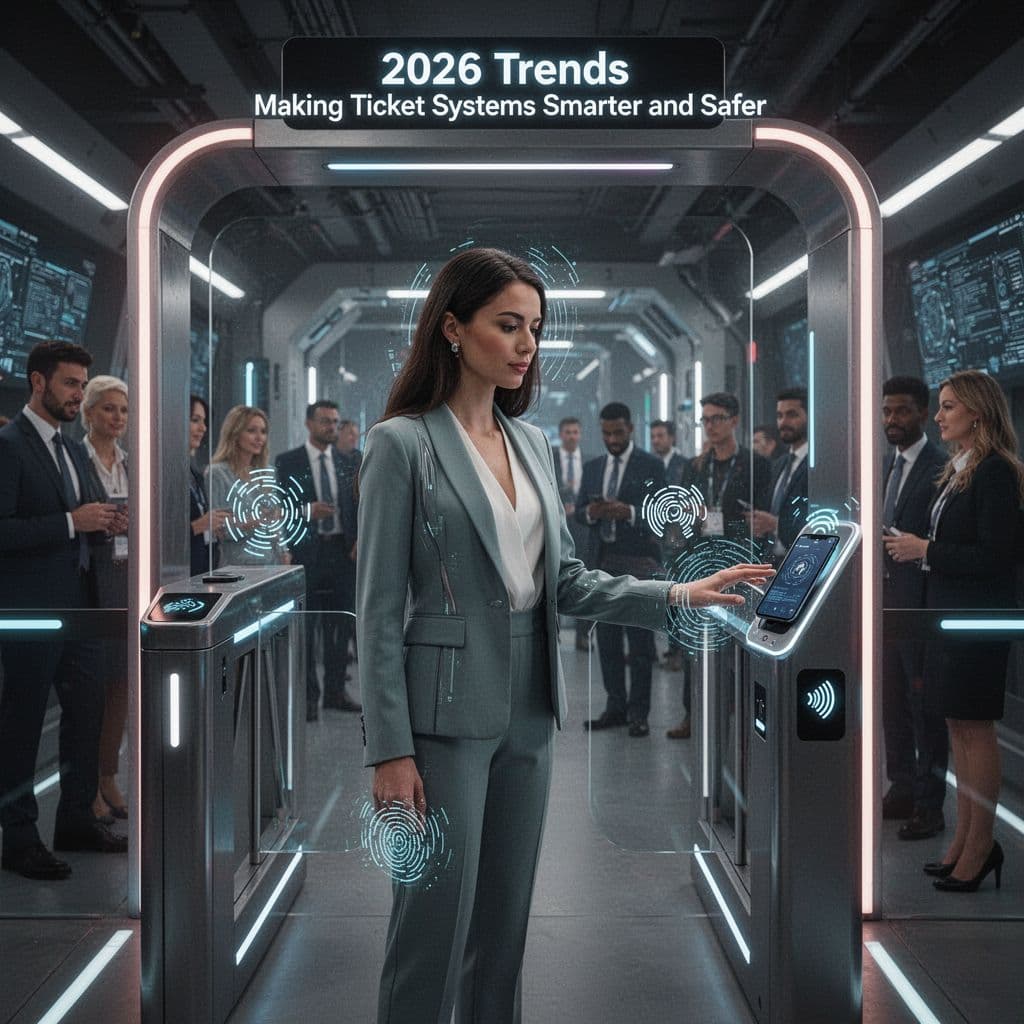
First, contactless entry keeps growing. That includes NFC wallets and wristbands. It also includes QR codes stored in apps, not just emailed files. These reduce friction at the gate.
Second, vendors keep improving anti-fraud signals. They may use AI analytics to spot suspicious buying patterns, or device checks to reduce fake accounts. If you want a broader look at ticketing trends, Softjourn lists industry shifts to watch in top ticketing industry trends for 2026.
Third, you’ll likely see more identity automation. Biometrics in travel keep expanding because the operational payoff is clear. Yet events also consider biometrics carefully, mainly because privacy and consent matter a lot.
Fourth, encryption and safer transfer methods keep improving behind the scenes. Some teams also test secure transfer ideas for resale and reassignment, but large-scale blockchain use varies by market and operator.
Finally, some airports and venues use crowd data to guide boarding and entry flow. That doesn’t always change “what’s stored,” but it can change how fast gates sequence checks.
Practical tips for using these systems smoothly
Even with modern tech, you still control your outcome. A few habits help:
- Use the official app when the venue offers one.
- Save your ticket offline when QR codes might need a connection.
- Double-check resale policies if you’re buying a “transferred” ticket.
- Bring an ID backup if the gate asks for it.
If you do those things, your entry turns from a gamble into a routine.
The Bottom Line: Ticket storage is only half the story
What you care about is not just getting the ticket. You care that it verifies at the right moment.
Event entry often relies on event platforms storing ticket records tied to QR codes, wristbands, or registered identity. Travel uses booking hubs and manifest checks powered by systems like Sabre and Amadeus. Parking commonly uses license plate readers or app sessions to validate entry and exit.
Here are the biggest systems that make it work:
- Event ticket verification systems: QR scanning, RFID taps, and sometimes biometrics
- Airline ticket storage systems: GDS-linked booking records and manifest matching
- Parking ticket verification: license plate readers and app or code sessions
Next time you show up with your phone, remember what’s happening behind the gate. The ticket is just the key. The system is the lock.