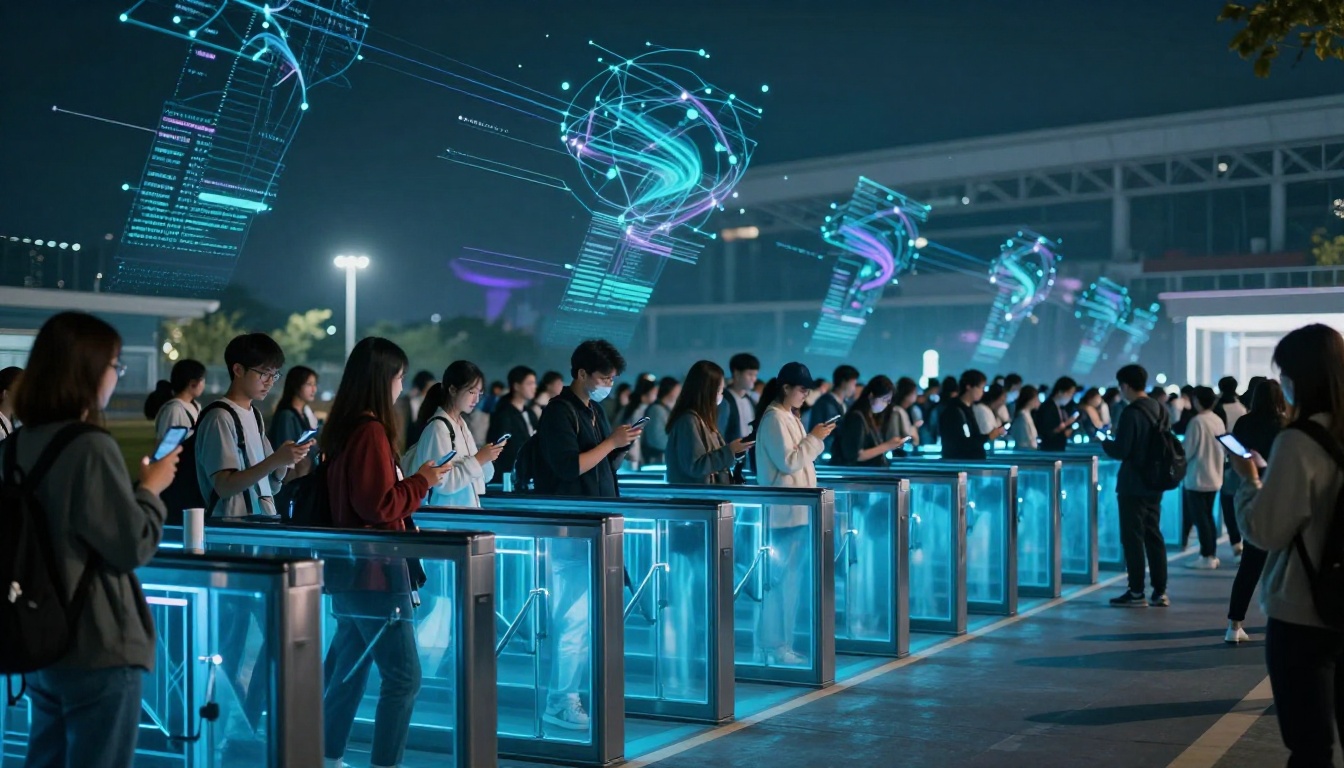
Trying to buy tickets for a huge concert like a Taylor Swift show or a World Cup match can feel like a fight. You hit refresh, the page freezes, and the best seats are gone before you even finish loading. Meanwhile, the venue still has to move tens of thousands of people safely, at the right time, through the right doors.
So the real challenge is balancing pressure on the ticket website with pressure in the physical space. That’s where how event ticketing systems manage large crowds comes in, using smart tools to handle traffic spikes, reduce fraud, and protect crowd safety. In 2026, systems from platforms like Ticketmaster and Eventbrite rely on virtual queues, AI predictions, and mobile entry tech to keep things from falling apart.
For example, virtual queues let fans wait in an online line instead of crashing servers during the first minute of sales. AI then reads ticketing patterns to forecast turnout, so teams can add more scanners and staff when crowds ramp up. At the gates, mobile scans speed entry while connected data helps staff adjust lanes in real time, which matters when stadium flows turn hectic fast.
Next, you’ll see the main strategies that make these systems work, starting with how virtual queues control the rush.
How Virtual Queues and Cloud Power Prevent Sales Chaos
When ticket sales spike, the hardest part isn’t just demand. It’s stopping automated traffic and keeping real fans moving. The best systems combine virtual queues, bot checks, and capacity-aware release, so the loudest clickers do not win.
Why Anti-Bot Measures Matter for Fair Ticketing
Anti-bot tools matter because ticket bots act like an “express lane” that real fans never get. In past mega-onsales, automation snapped up large blocks fast, then resurfaced as pricey resale listings. The result felt personal, even when the platform tried to be fair.
Today, platforms like Ticketmaster use layered defenses that run during the queue, before anyone reaches checkout. Ticketmaster’s queue acts like a virtual line that uses advanced security measures to detect bots and monitor traffic. It also explains that you can’t skip the queue, which reduces the value of bypass attempts (and keeps the process consistent). For more background on how this queue behavior works, see Ticketmaster queue overview.
A common “fairness” approach is combining:
- Behavior checks (how fast and how often you click)
- Account and identity verification (reducing bulk abuse)
- Captcha-like friction or verified-fan programs (proof you are a real person)
Ticketmaster’s “Verified Fan” and account protection focus on blocking bad actors early, so the queue experience stays available to fans. You can see how Ticketmaster describes identity verification and bot prevention in Securing fan accounts.
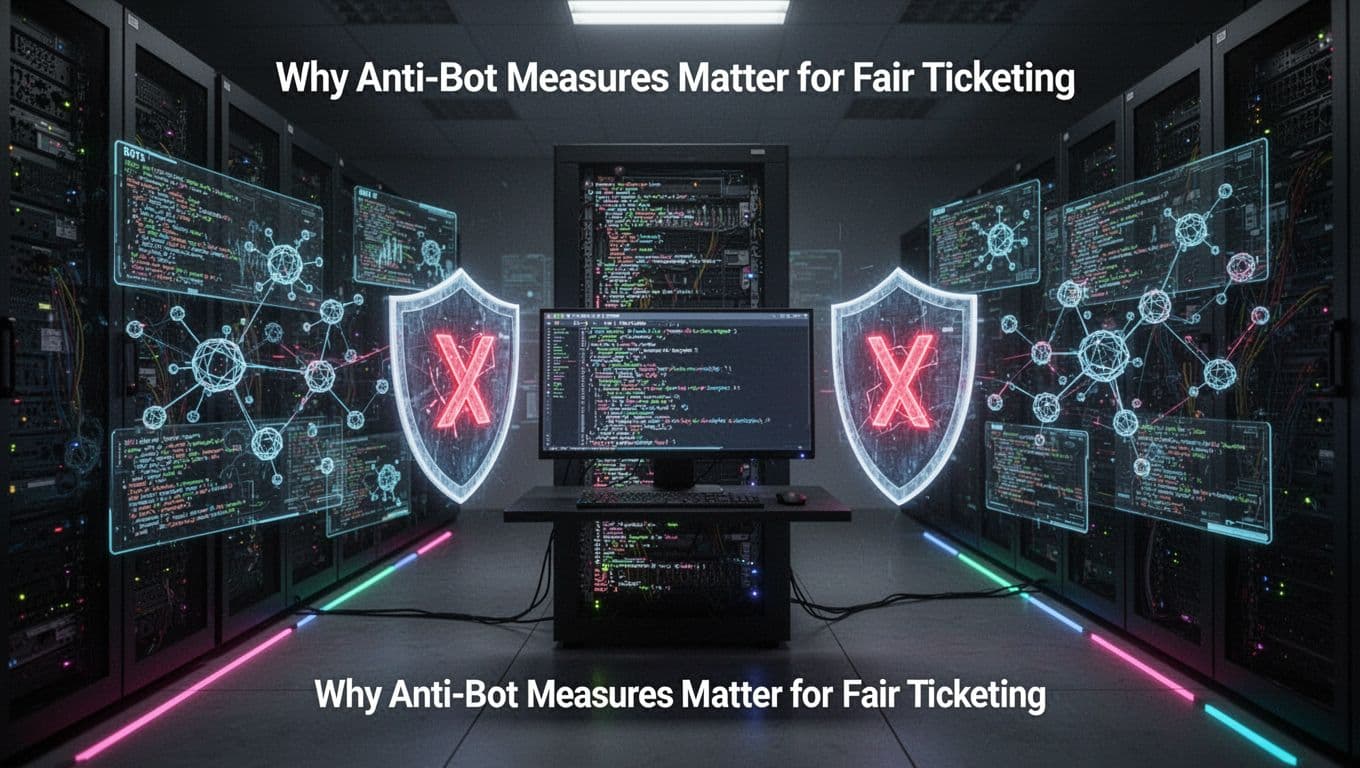
Here’s the practical payoff: when bots get blocked, fans get better odds. Not because the platform “feels nicer,” but because fewer seats get grabbed in the first seconds by software.
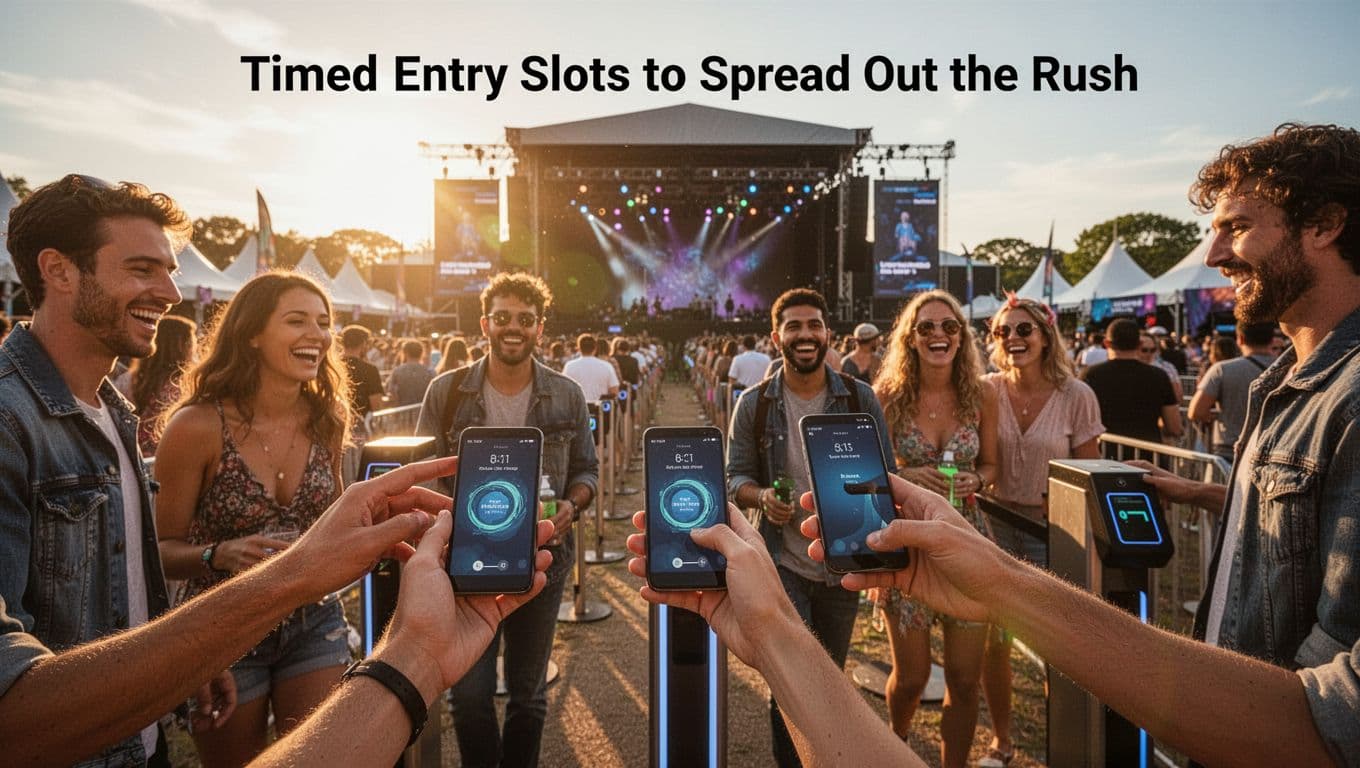
Timed Entry Slots to Spread Out the Rush
Virtual queues fix the buying rush, but crowd chaos can still happen at the venue. That’s why many ticketing systems also pair access control with timed entry slots. Instead of everyone showing up at 6:00 PM, the system guides people into staggered waves.
This works because the venue sets hard limits, based on safety rules and real throughput. If the entry gates can safely process, say, one group per minute, the platform meters arrivals accordingly. Think of it like amusement park lines: when you start letting people in batches, the ride loads faster and the front gate stops clogging.
For ticketing and access, platforms such as Weezevent often support timed entry to match capacity and keep scanners from being overwhelmed. Tomorrowland is a high-profile example of how festival operations can use structured access windows powered by Weezevent. For reference on how Weezevent positions its festival ticketing and access tools, see Weezevent updates and product coverage.
The benefits show up fast:
- Less bottlenecking at doors, because arrivals spread out
- Faster scans, which reduces the “stop and wait” loop
- Better staff allocation, since teams can shift when waves finish
- Cleaner flow inside, which helps reduce bottlenecks near merch and food areas
Done right, timed entry also helps planners react. If one gate runs hot, systems can rebalance lanes and staff in real time, instead of waiting for a dangerous jam to form.
Smart Capacity Controls and Pricing to Fill Venues Safely
Ever wonder why prices jump right when a show is getting popular? In many cases, it comes down to smart capacity controls paired with demand-based pricing. The goal is simple: sell enough seats to keep the venue lively, without stuffing doors and scanners past safe limits.
These systems work like a good traffic officer at a busy intersection. They do not stop traffic, but they prevent gridlock. Instead of letting every ticket sell instantly, event ticketing platforms meter inventory, separate ticket types with quotas, and adjust prices as demand changes.
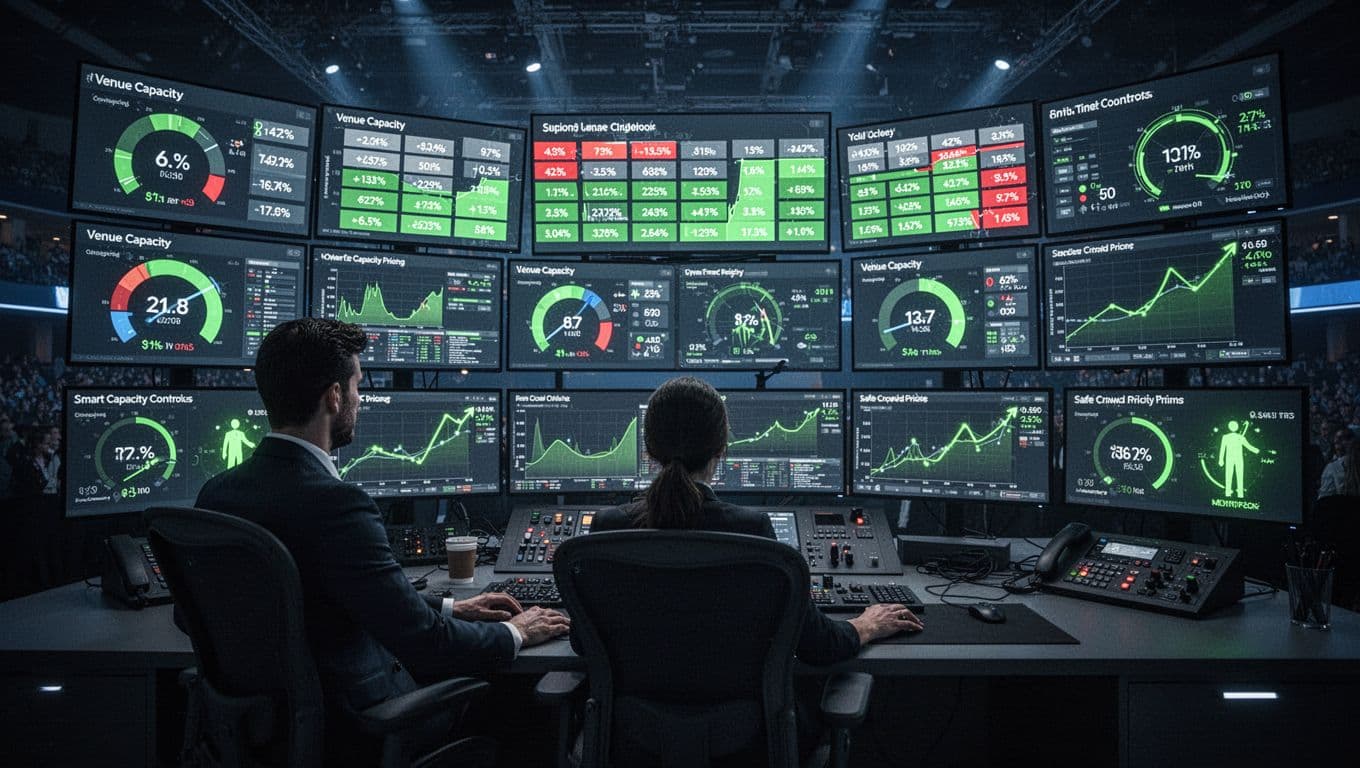
Dynamic Pricing Explained Simply
Dynamic pricing is what happens when ticket prices change based on demand. If lots of people buy tickets fast, the system nudges prices up. If sales slow down, prices may drop. Airlines do this too, and the idea is the same: match demand to supply without leaving the seller stuck.
So how does that help with crowd safety? It helps you avoid a messy rush that turns into overselling or uneven attendance. When the system nudges people toward earlier purchases or less popular time slots, the venue gets a steadier flow. As a result, staff can plan lane counts, security timing, and ride time inside the venue.
You also get real upsides for fans. Early buyers may spot better deals before the price moves. Meanwhile, organizers can keep pricing aligned with what the market is actually willing to pay, instead of guessing weeks ahead. Tools like Zoho Backstage describe benefits of digital ticketing that tie into better check-in visibility and fraud reduction, which matters when crowds scale (digital ticketing benefits for event organizers).
Still, fairness questions come up. Fans dislike surprises, especially when they feel punished for waiting. That’s why many platforms pair dynamic pricing with guardrails like:
- Price floors and ceilings (so changes don’t go wild)
- Clear timing rules (so fans can plan)
- Quotas by section and ticket type (so VIP and general tickets don’t cannibalize each other)
Here’s a concrete 2026-style example. For the 2026 FIFA World Cup, reported pricing ranges started low for group matches and rose sharply for the final as demand increased. In other words, seats close to the hottest games get priced like hot seats. For organizers, that means more seats sold at prices that support smooth operations, without the stadium turning into a bottleneck at the gates.
In short, dynamic pricing is not just about revenue. It’s also about controlling how fast the venue fills, so safety planning stays ahead of the crowd.
Fast Mobile Entry and Real-Time Tracking for Event Day
Event day runs on one simple truth: people don’t wait well, especially when they’re excited. So the best ticketing setups turn entry into a quick tap-and-go moment, then use live data to steer staff where they’re needed most.
The Power of QR Codes and NFC Scans
No-paper tickets on phones do the heavy lifting. Fans open their ticket in a mobile wallet or event app, then present a unique QR code or NFC tap at the gate. From there, handheld scanners (or turnstiles with built-in readers) validate access and log entry in seconds, without tearing tickets or hunting barcodes.
At busy venues, multiple scanners matter. You can place readers across staggered lanes so one gate does not become a single choke point. Operators can also aim scanners toward the flow, which keeps people moving while the system checks the ticket. With tight lane spacing, a single staff member can often handle more than one approach path, because each scan finishes fast.
Speed plays a big role in crowd control. Real-world comparisons show NFC taps often complete in under 1 second, while QR scans usually take multiple seconds due to unlock, camera focus, and glare. Paper tends to be the slowest because staff must visually confirm each ticket and handle physical passes. In practical terms, that difference turns long waits into short pauses.
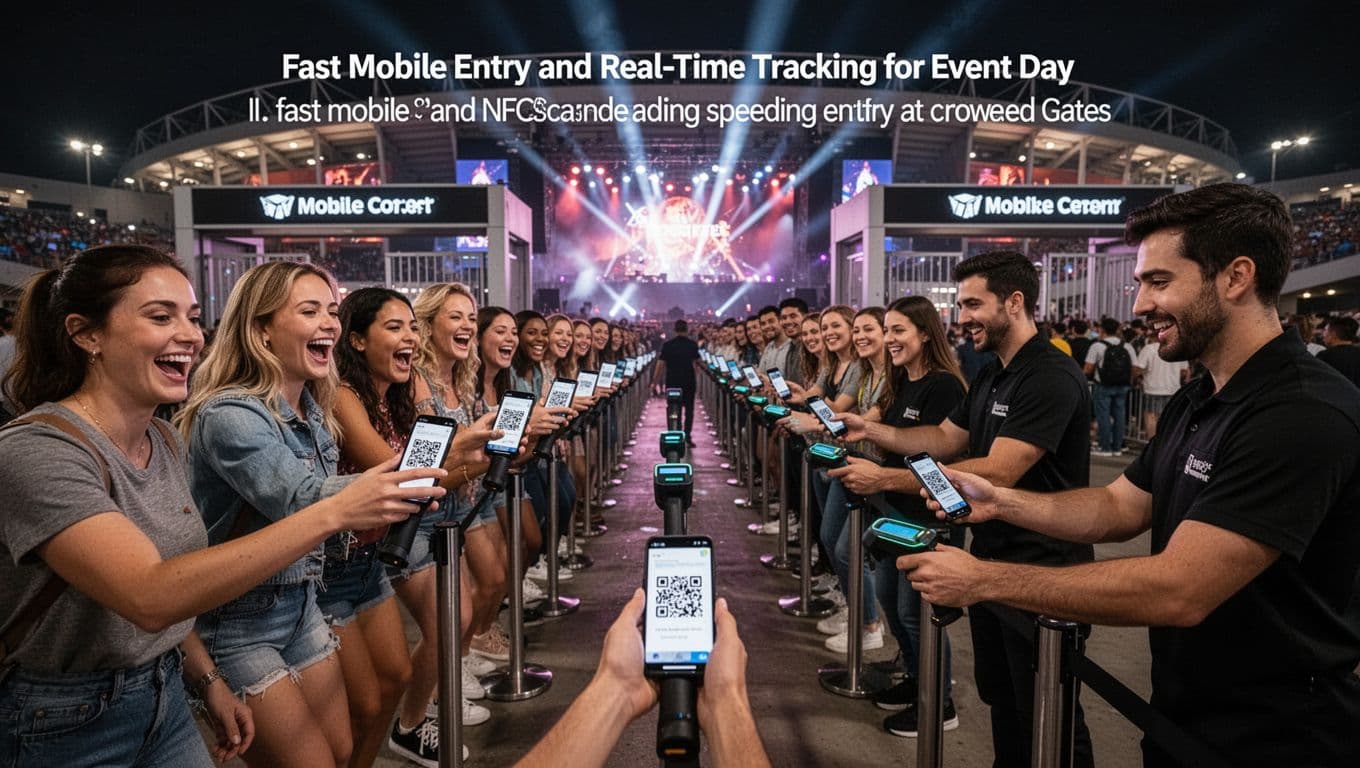
Behind the scenes, this tech only works when it connects to access control. Ticket validation systems integrate with gate controllers so a “yes” scan unlocks the right turnstile, logs attendance, and flags issues like duplicates or invalid entries. If you want a plain-language breakdown of the QR versus NFC trade-off, see QR code vs NFC tickets. Similarly, for how events choose between access-control techs, QR codes, RFID, or biometrics in 2026 helps you compare options.
Fans feel the benefit right away, too. Faster entry means less stress and more time for merch, food, and pre-show moments. Some venues even add perks tied to check-in, like a quick survey poll once you pass the gate, which keeps the experience fun without slowing it down.
In short, QR and NFC scans are not just a convenience. They’re an onsite traffic plan, executed in real time.
Top Platforms Leading the Way in Crowd Management
Crowd management starts long before doors open. The best ticketing platforms plan for spikes, control who enters first, and keep scanners from turning into bottlenecks. In other words, they act like a traffic controller for people, not just software for tickets.
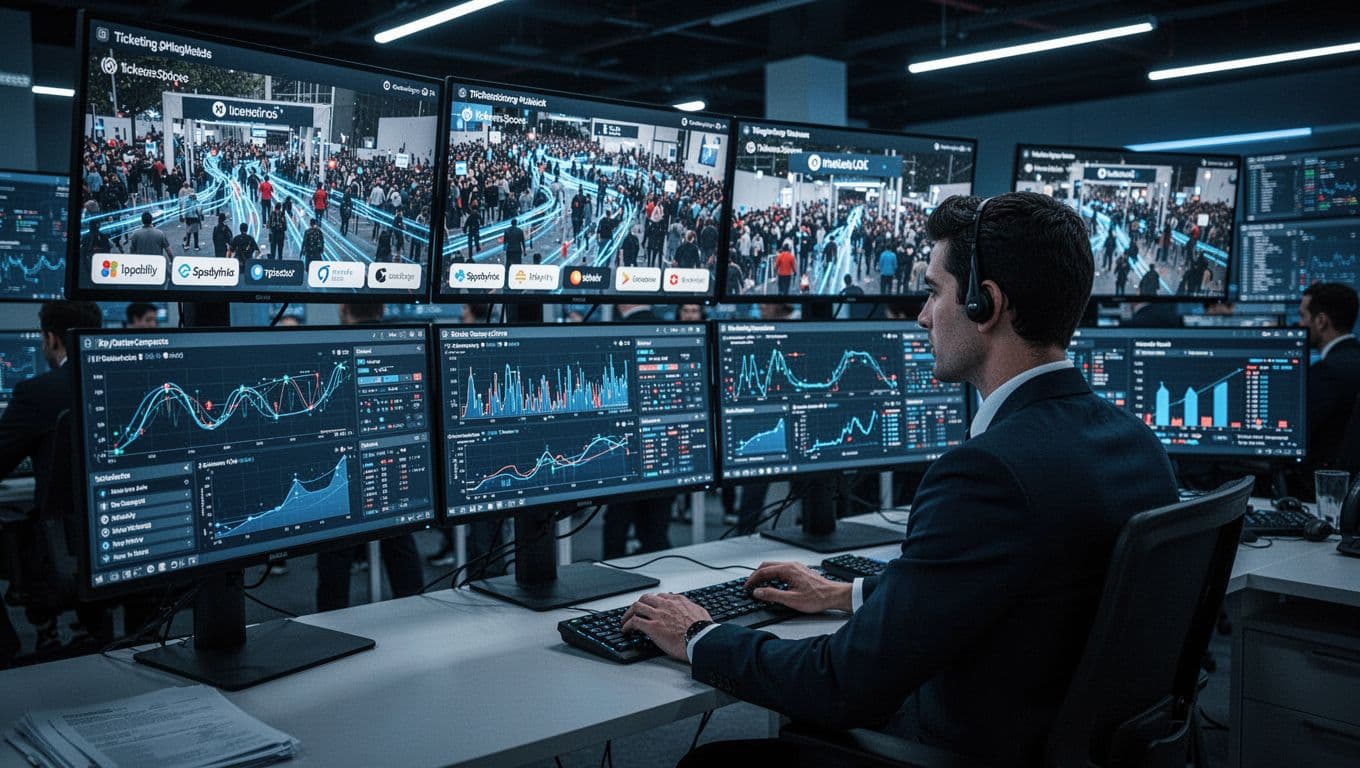
Spotlight: 5 platforms built for large-crowd flow
When you compare platforms, look past the marketing and focus on four things: queue control, entry timing, on-site scanning, and data access. The table below shows where each one shines.
| Platform | Big crowd feature | How it helps at the venue | Best for |
|---|---|---|---|
| Ticketmaster | Anti-bot queue behavior | Keeps bots from flooding checkout, reduces chaos | Stadium tours and major on-sales |
| Eventbrite | Timed entry and quotas | Staggers arrivals, controls gate load | Multi-session events, pop-ups |
| Weezevent | Festival access control | Supports festival formats and structured check-in | Festivals and multi-day passes |
| TicketSpice | Timed entry at scale | Handles high volume ticketing and scanning | Attractions and busy seasonal events |
| Vivenu | Custom API and integration | Lets teams tailor workflows and connect systems | Organizations needing custom builds |
If you want a quick win, pick the platform that matches your bottleneck. Is it online demand, gate lines, or both?
Ticketmaster: queue control for fair, high-demand on-sales
Ticketmaster is known for queue-first protection during big releases. That matters because the worst crowd problems often start online, when bots overwhelm pages and real fans get locked out. Ticketmaster’s queue behavior is designed to block automation and monitor traffic before checkout, which helps keep sales usable under heavy load (How the Ticketmaster Queue Works).
At the venue, the payoff shows up as smoother arrival patterns. When fewer accounts can hijack inventory, organizers can plan staffing and scanning with less guessing.
Eventbrite: timed entry and quotas that calm gate lines
Eventbrite focuses on what happens after purchase: check-in flow. Timed entry helps you meter arrivals, so scanners work instead of clogging. With Eventbrite’s timed entry setup, you can create time slots and keep your doors from turning into one long wait (Timed Entry Events – Eventbrite).
For large crowds, this is the difference between “everyone shows up at once” and “people arrive in waves.” As a result, security and staff can spread out by gate and shift when a wave ends.
Weezevent: festival-ready access control for real-world crowds
Festivals move differently than stadium shows. Entry happens in bursts, schedules shift, and routes get messy fast. Weezevent positions itself around festival ticketing plus on-site control like access management and related operations (Event Ticketing for Festivals – Boost Sales & Control Access).
That structure helps you plan checkpoints, manage check-in pressure, and handle multi-day attendance without losing track.
TicketSpice: scalable timed entry for high-volume attractions
If your crowd comes in waves across many hours, timed entry can prevent long lines at the exact wrong moment. TicketSpice offers timed ticketing meant for busy venues and high traffic days, plus tools for on-site scanning and reporting (Timed Entry Admission Software for Events | TicketSpice).
This platform suits teams that need reliable operations data when crowds surge, not after the fact.
Vivenu: custom API for teams that want data ownership
Some organizations do not want a one-size platform. They want control over the experience and connections to their own systems. Vivenu offers a custom API approach and positions the setup around flexible integration and control over the stack (Custom Ticketing Solutions & Backbone – Vivenu).
When you can plug into existing tools, you can sync entry rules, attendance reporting, and operational dashboards without forcing your process into someone else’s workflow.
Conclusion
Event ticketing systems handle large crowds by pairing online demand control with on-site entry planning. Virtual queues reduce server crashes, AI helps forecast crowd load, and smart pricing helps spread arrivals when it matters most. As a result, fans get fewer errors during checkout and steadier lines at the venue.
On the day of the event, mobile entry does the heavy lifting. QR and NFC scans validate tickets fast, while real-time tracking helps staff shift lanes and staffing before a crowd bottlenecks. That combination keeps entry quick, cutbacks minimal, and the overall experience smoother for everyone.
If you’re planning your next event, check what your ticketing provider supports for queue control, timed entry, and mobile scanning. Then share your setup in the comments, which part worked best for your crowd flow, and what you want to improve next time?
Looking ahead to 2026, expect even more AI-driven forecasting, faster gate tech, and tighter fraud controls, so big events keep moving without chaos.